





I wargamed Iran for the Pentagon — here is how the Iran conflict could end
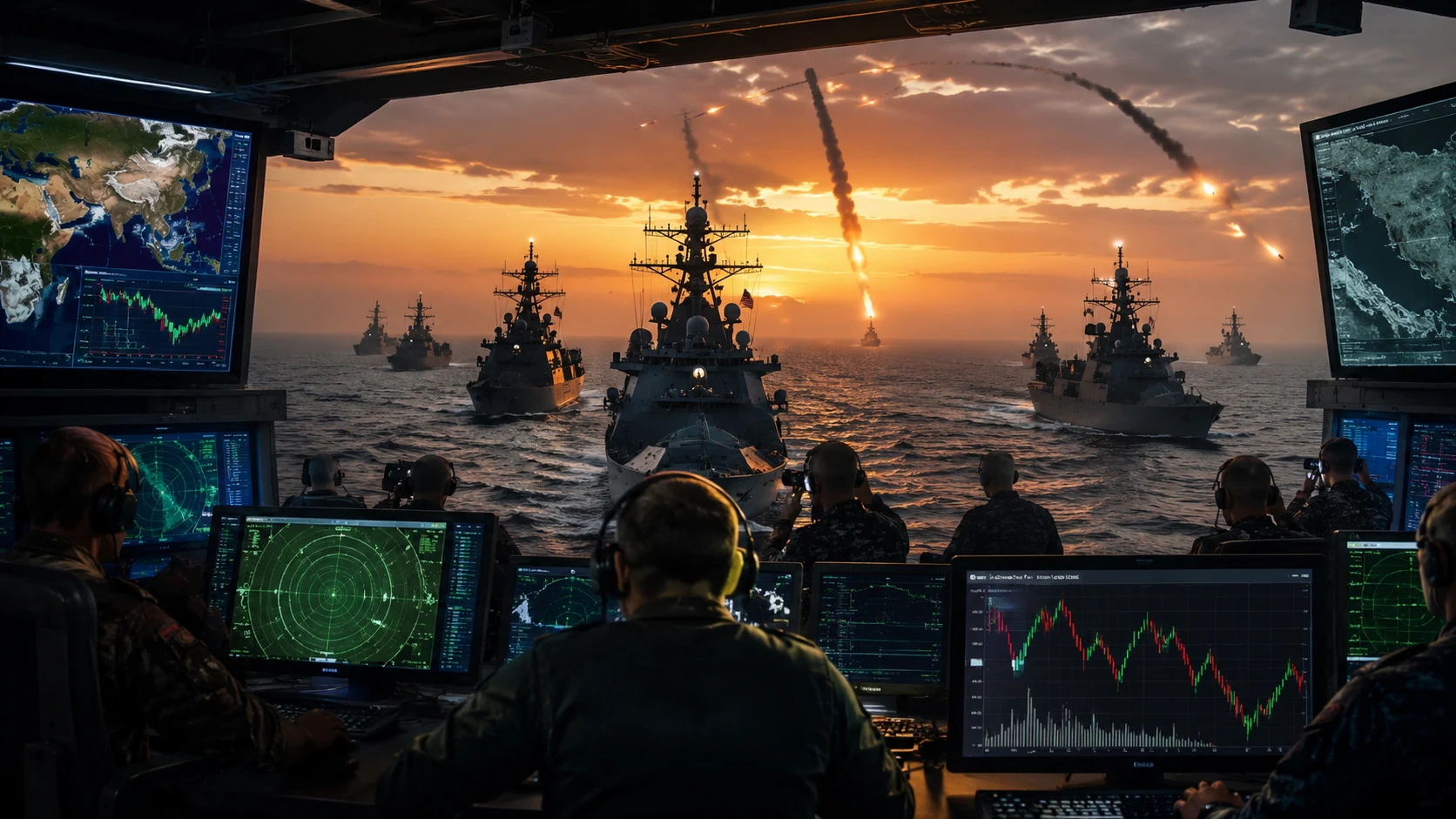
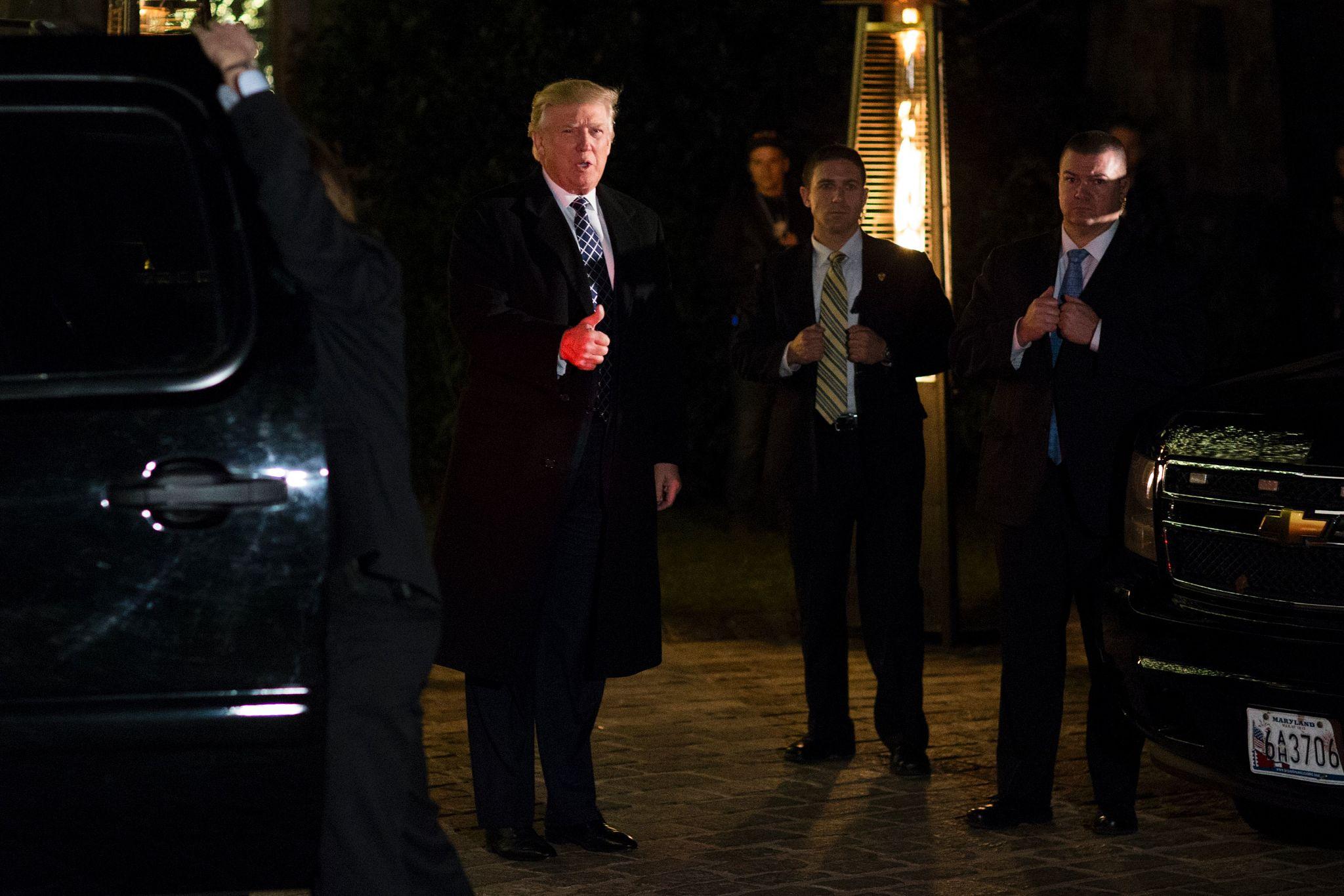
While the Iran situation can appear rather uncertain, there are always a handful of realistic possibilities considered by military strategists. The current situation, which includes new US military reinforcements and indications by President Donald Trump about his hesitation to prolong the conflict, show that the US side is carefully considering its ways out, rather than embarking on an unlimited offensive.
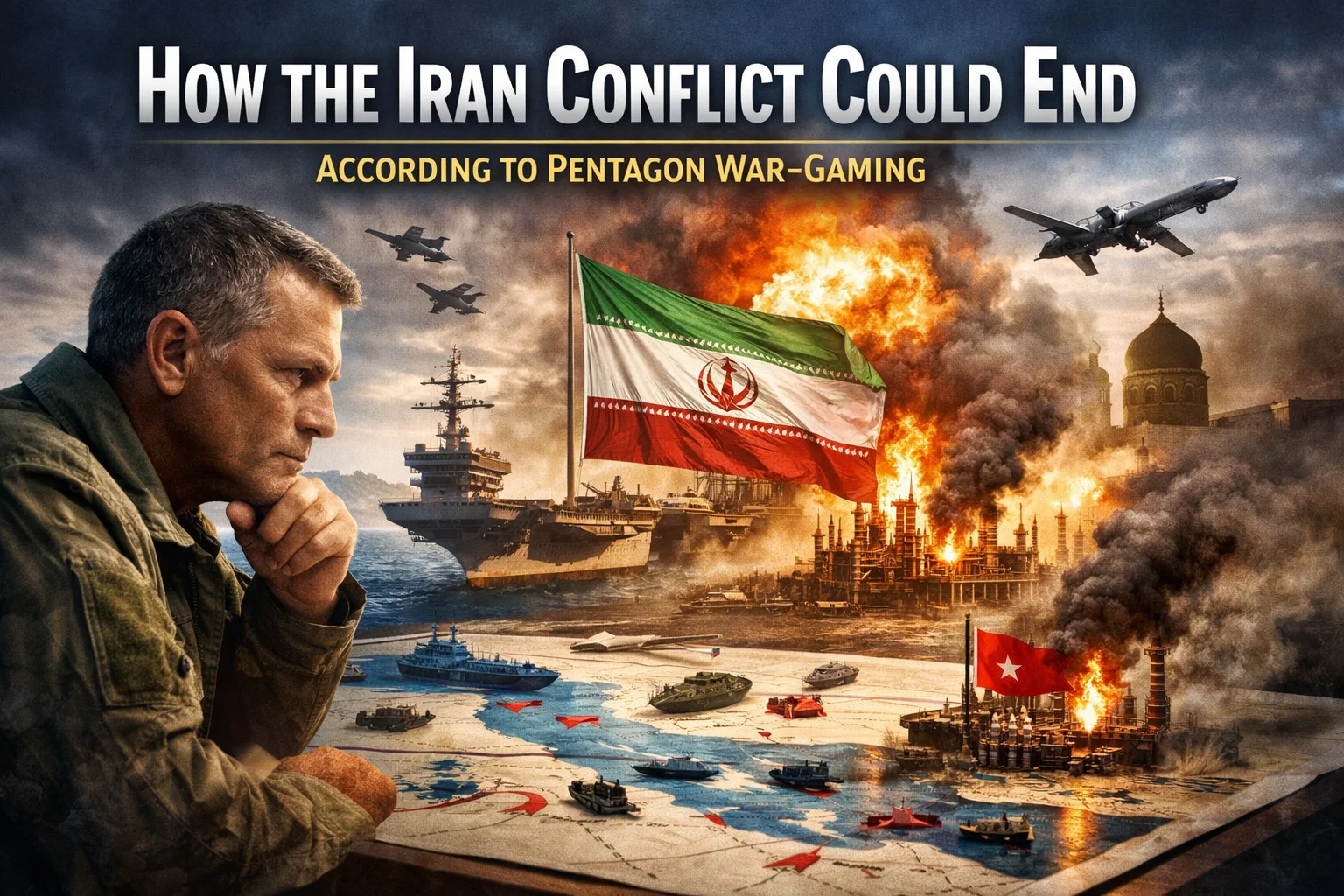
According to the Pentagon-like war gaming logic, four basic conclusions usually occur: a ceasefire, a military solution, a regional confrontation, or a protracted standoff. No option will be a decisive victory – only a different level of risk and control.
A negotiated pause: the least costly path
The most stable outcome would be a negotiated pause that allows both sides to claim partial success. This would likely involve indirect diplomacy, reduced military activity, and informal agreements to limit further escalation — especially around shipping routes and proxy conflicts.
Such a deal would not resolve core tensions but could prevent the conflict from spiraling. For Washington, this option aligns with political and economic realities: avoiding a long war while maintaining strategic pressure. For Iran, it offers breathing room without appearing to concede outright.
A limited military endgame
Another plausible scenario is a controlled military conclusion. In this case, the US would degrade key Iranian capabilities — such as missile systems, naval assets, or command structures — and then declare success without pursuing full-scale invasion.
However, military analysts consistently warn that tactical gains do not equal strategic victory. Iran retains the ability to absorb damage and rebuild over time. Attempts to push further — such as targeting critical infrastructure or territory — could expose US forces to asymmetric retaliation, including drones and missile strikes.
In short, a limited campaign can weaken Iran, but it is unlikely to decisively end the conflict.
Regional escalation: the worst-case scenario
The worst possible scenario will be when escalation goes out of control. This may happen through more countries becoming involved, use of proxies, or targeting chokepoints such as the Strait of Hormuz.
This change will turn the conflict from one between two parties to a much larger crisis in the region. Economic repercussions will be felt immediately, particularly in terms of oil prices, shipping, and inflation-sensitive countries like India.
Despite not officially declaring war, escalation will make the situation very unstable for the Middle East region in the coming years.
Stalemate: the most realistic ending
Despite dramatic headlines, stalemate may be the most likely outcome. Iran’s capabilities may be weakened, but not eliminated. The US, meanwhile, may achieve limited objectives without committing to long-term occupation or regime change.
War-gaming often leads to this uncomfortable conclusion: modern conflicts rarely end with decisive victories. Instead, they fade into managed tensions where both sides step back not because they have won, but because continuing becomes too costly.
Disclaimer: This article is based on open-source reporting and expert analysis. It is a news-style explanatory piece and does not reflect classified military assessments.