




Iran Rejects Peace Deal Momentum
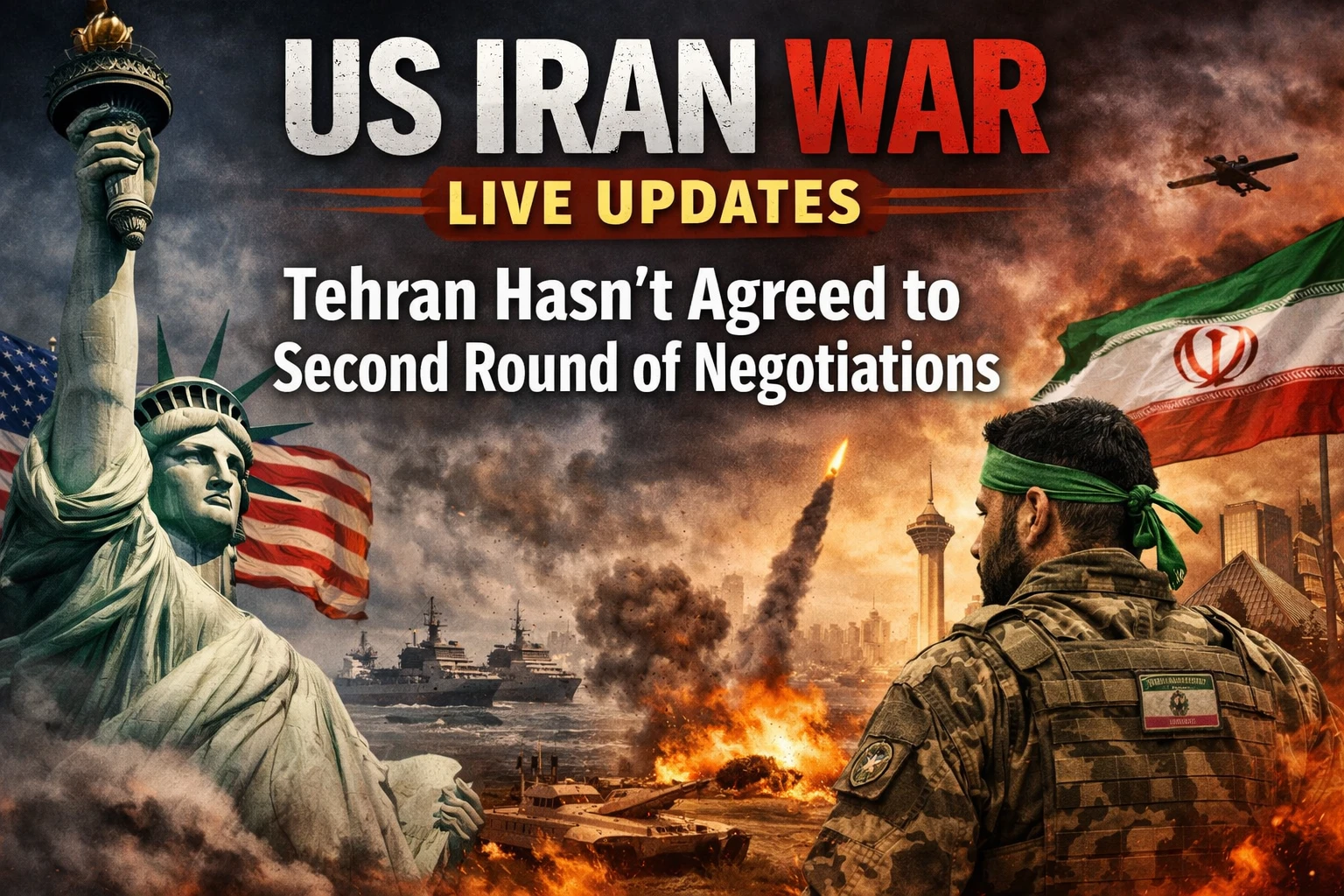
Tensions between Iran and the United States have escalated once again, with Tehran making it clear that a meaningful peace agreement remains distant.
Despite recent signals from Washington hinting at progress, Iranian officials have pushed back, stating that no fresh round of negotiations has been finalized. The sharp difference in tone underscores just how fragile the diplomatic process currently is.
Officials in Tehran have also accused the US of sending mixed signals—publicly speaking about peace while maintaining pressure through sanctions and military presence in the region. This disconnect, they argue, makes any immediate breakthrough unlikely.
Strait of Hormuz Closure Triggers Global Concerns
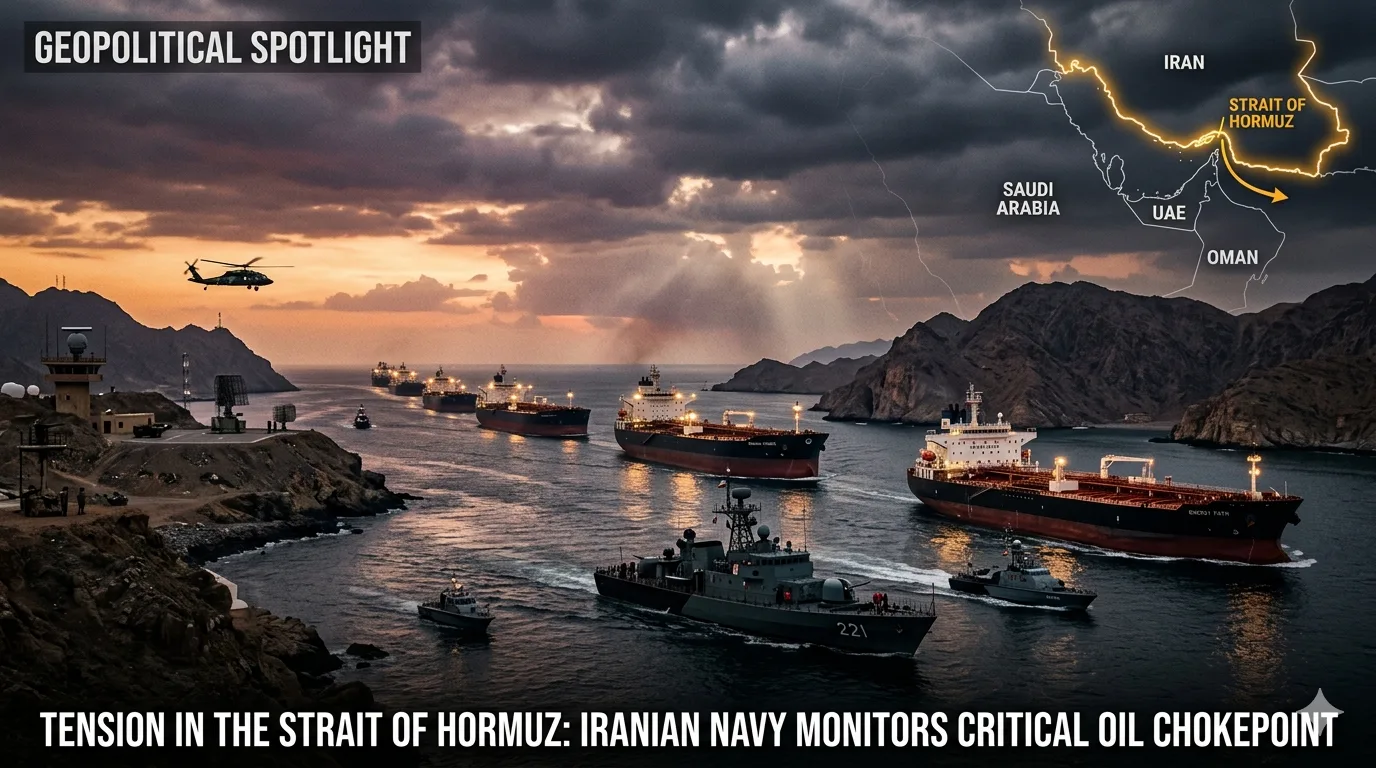
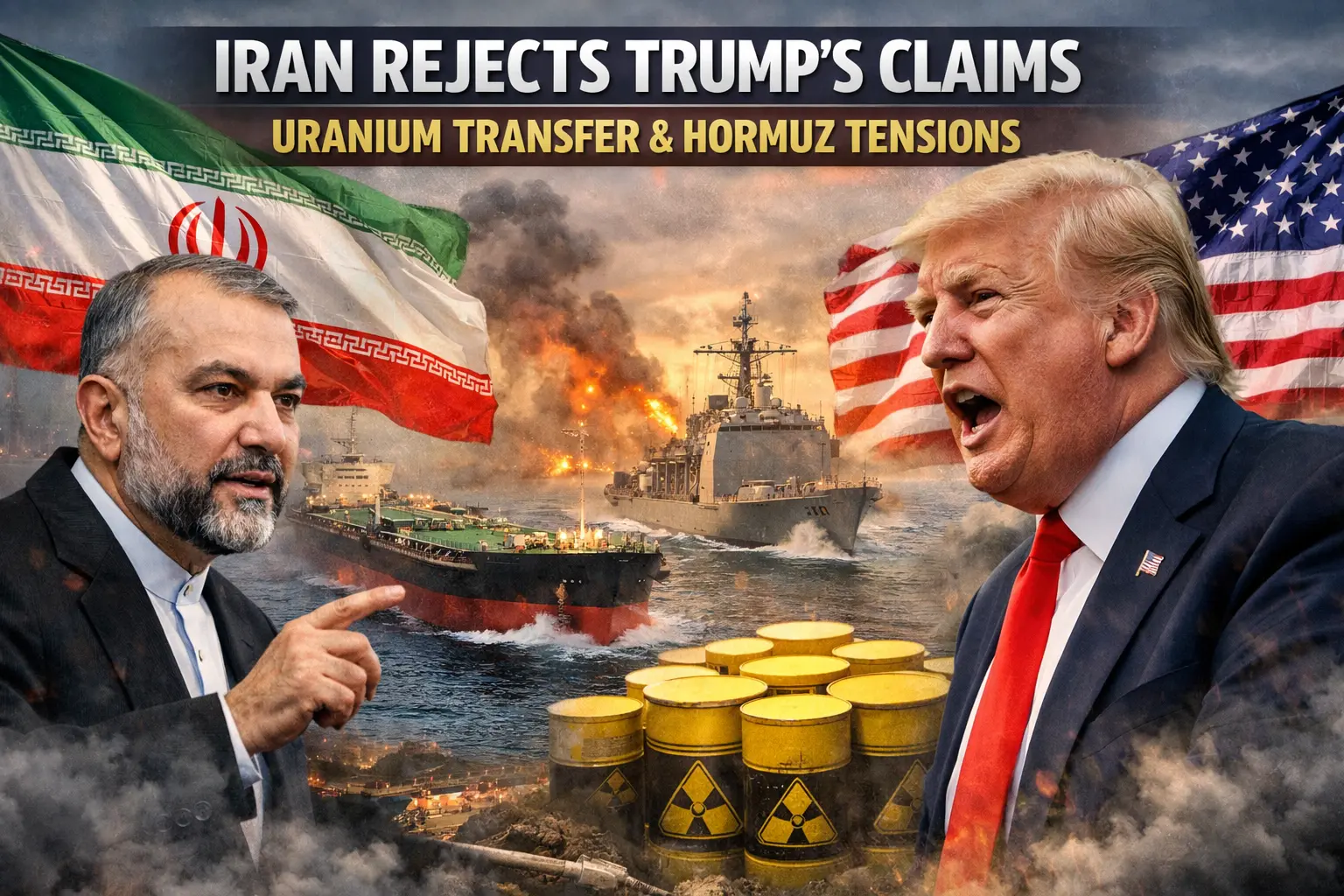
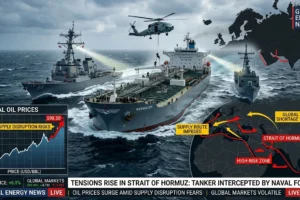
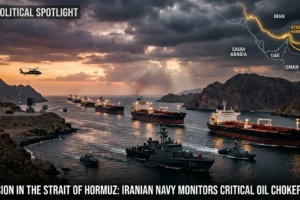
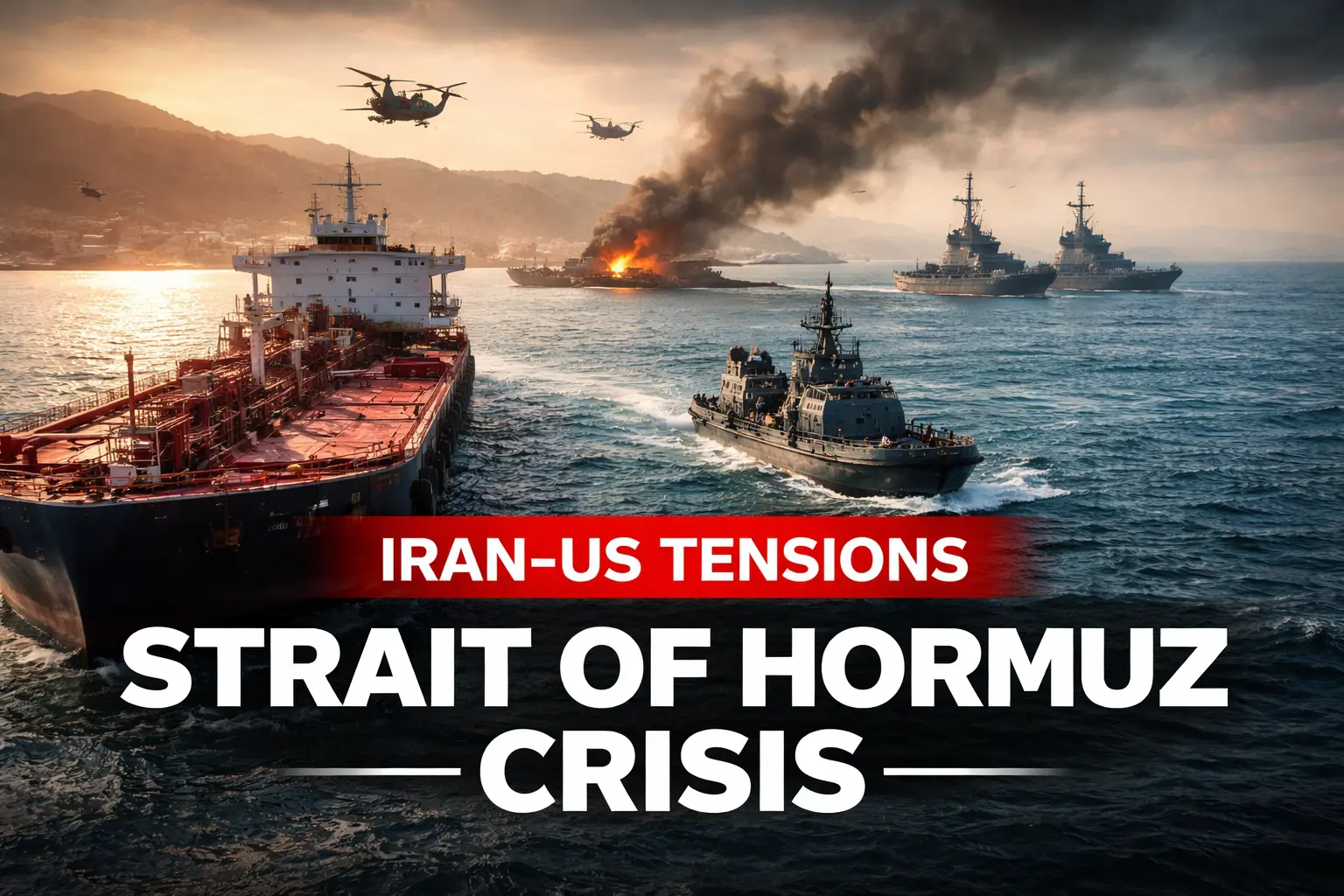
At the center of the crisis is the Strait of Hormuz—a narrow but crucial passage that carries a significant share of the world’s oil supply.
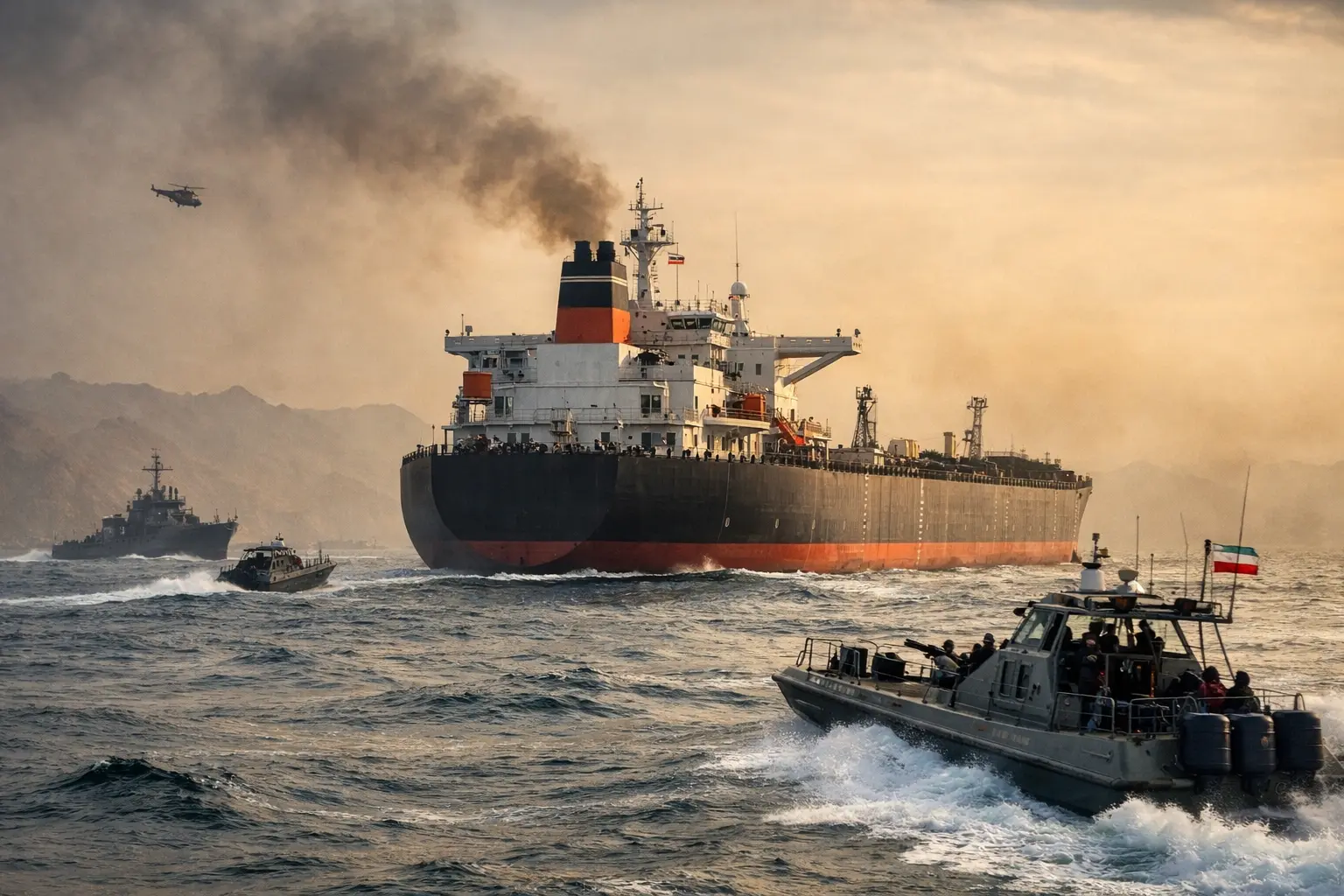
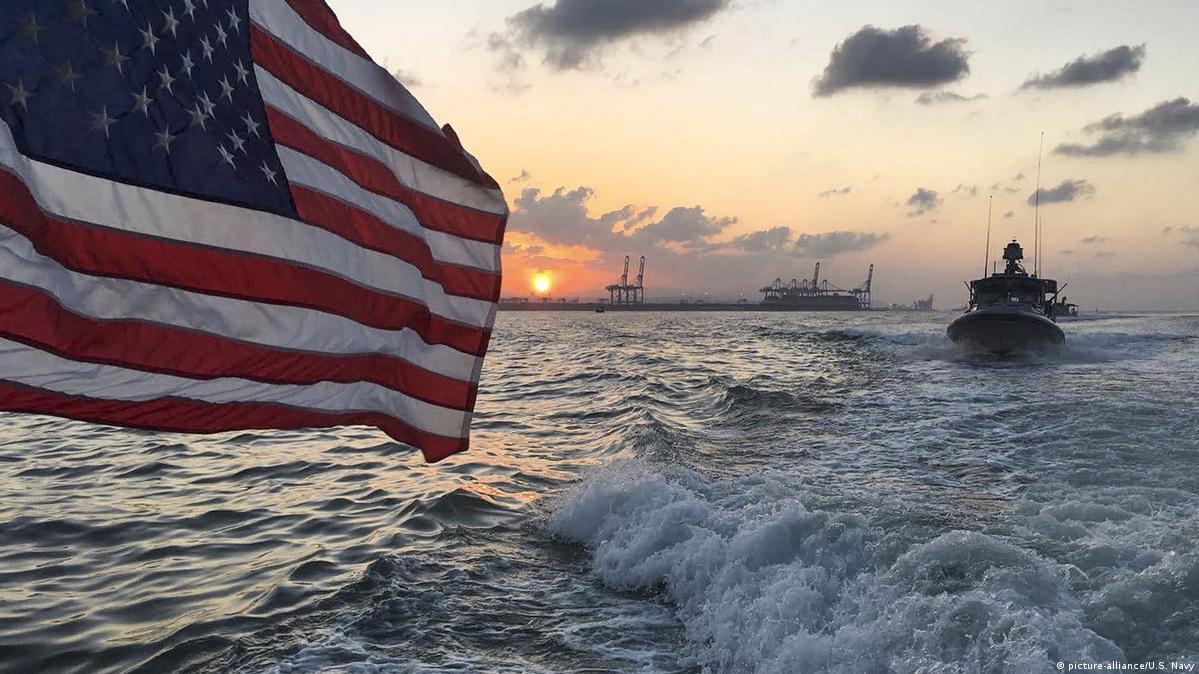
Iran has once again moved to restrict access to the strait, citing ongoing US military pressure and maritime restrictions. Reports indicate heightened naval activity, with warnings issued to vessels attempting to pass through.
The move comes shortly after a brief reopening during a temporary lull in tensions, highlighting how quickly the situation can shift. Given that a substantial portion of global energy shipments pass through this route, even short disruptions can ripple across international markets.
Ceasefire Strains and Rising Pressure
The renewed closure reflects the growing strain on already fragile ceasefire arrangements. While limited agreements had allowed partial movement of ships, those understandings now appear to have broken down.
The United States continues to maintain a strong military presence in the region, insisting that pressure will remain until broader security and nuclear concerns are addressed. Meanwhile, Iran has made it clear that any lasting agreement must include tangible relief from sanctions.
Global leaders have urged restraint, warning that further escalation could destabilize not just the region, but the wider global economy.
Worldwide Consequences: Why It Matters
Consequences from this crisis will reverberate around the globe:
Oil prices may experience wild fluctuations
Shipping lanes might be interrupted or altered
Market confidence could wane in light of the uncertainty
Political instability could grow in the Middle East region
Both parties remain resolute, and there is no clear path forward on negotiations.
Disclaimer
This article is based on publicly available information and evolving geopolitical developments. Details may change as new updates emerge.