






Trump’s instinct-driven Iran war strategy is facing growing doubts
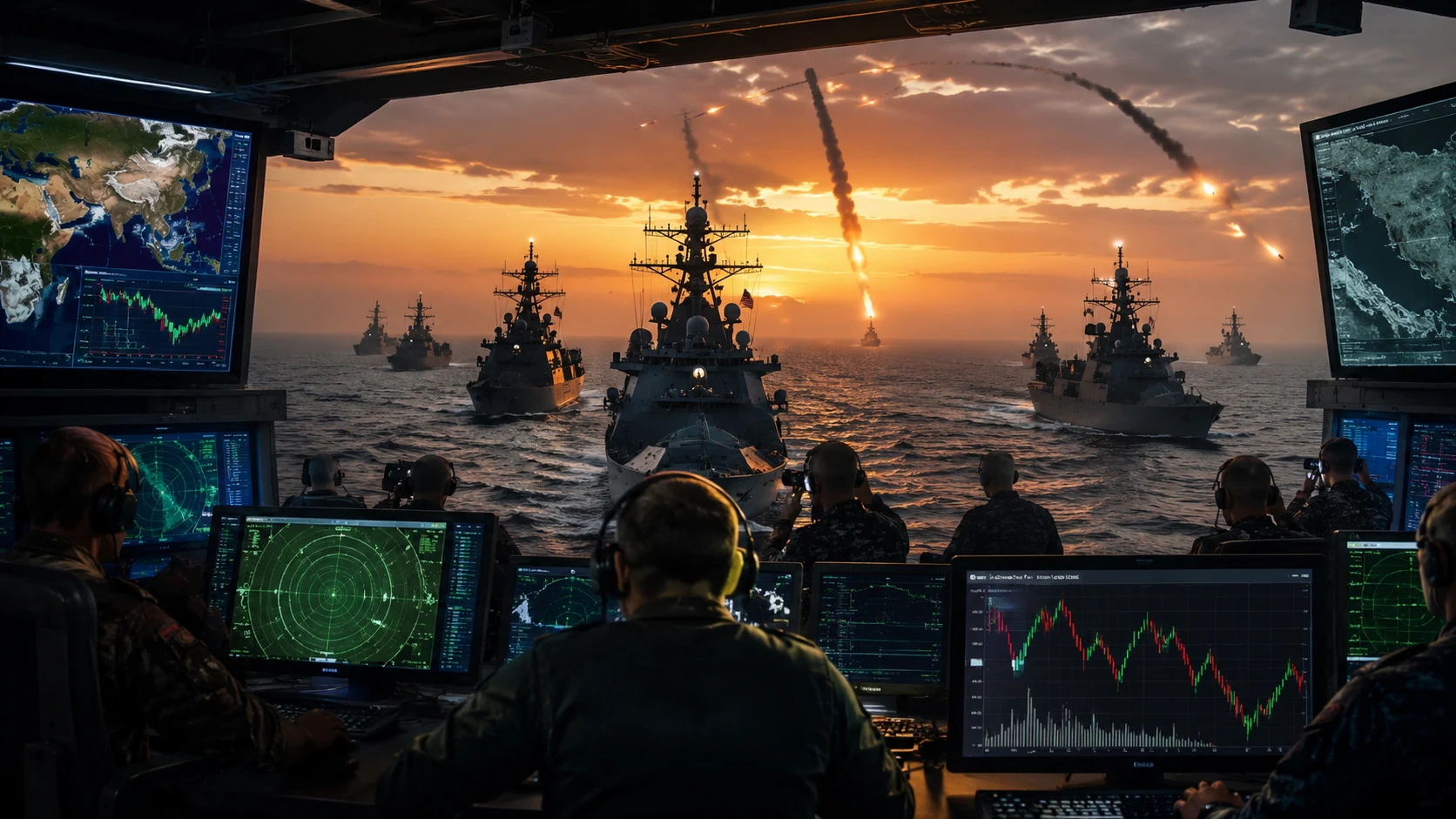
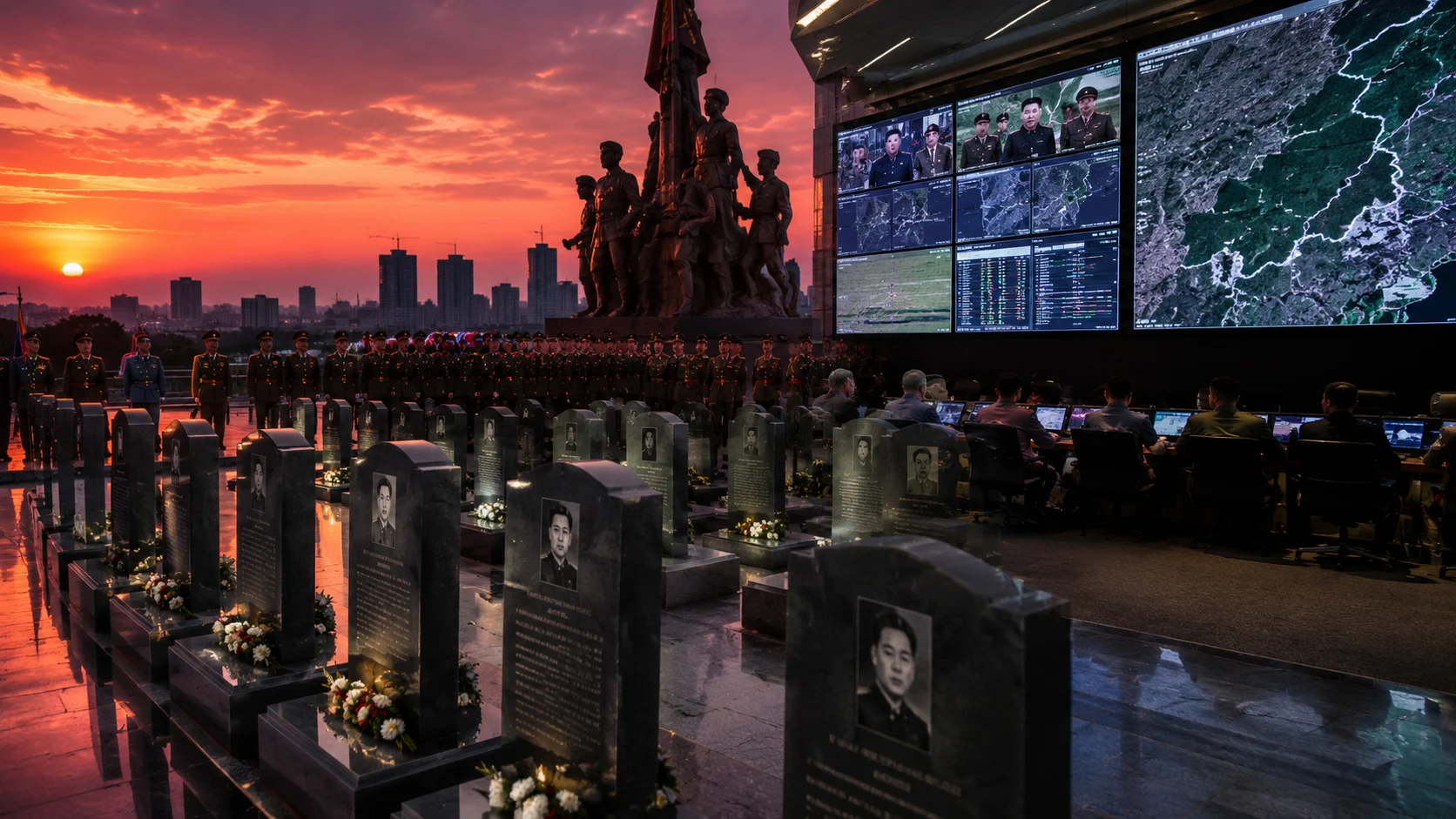
The Trump instinct-driven Iran war strategy is coming under heavier scrutiny as the conflict shows signs of dragging on without a clear political or military endgame. Recent reports suggest that mixed signals from the White House, continued fighting, and questions over battlefield results are raising doubts about whether an instinct-first approach can deliver the quick outcome President Donald Trump appeared to expect.
What began as a show of force is now looking more complicated. Trump has shifted between threatening harsher action, suggesting diplomacy remains possible, and projecting confidence that Iran is weakening. But reports over the past week indicate that the war is still expanding in important ways, including discussion inside the Pentagon about possible longer ground operations.
A strategy driven by impulse is meeting battlefield reality
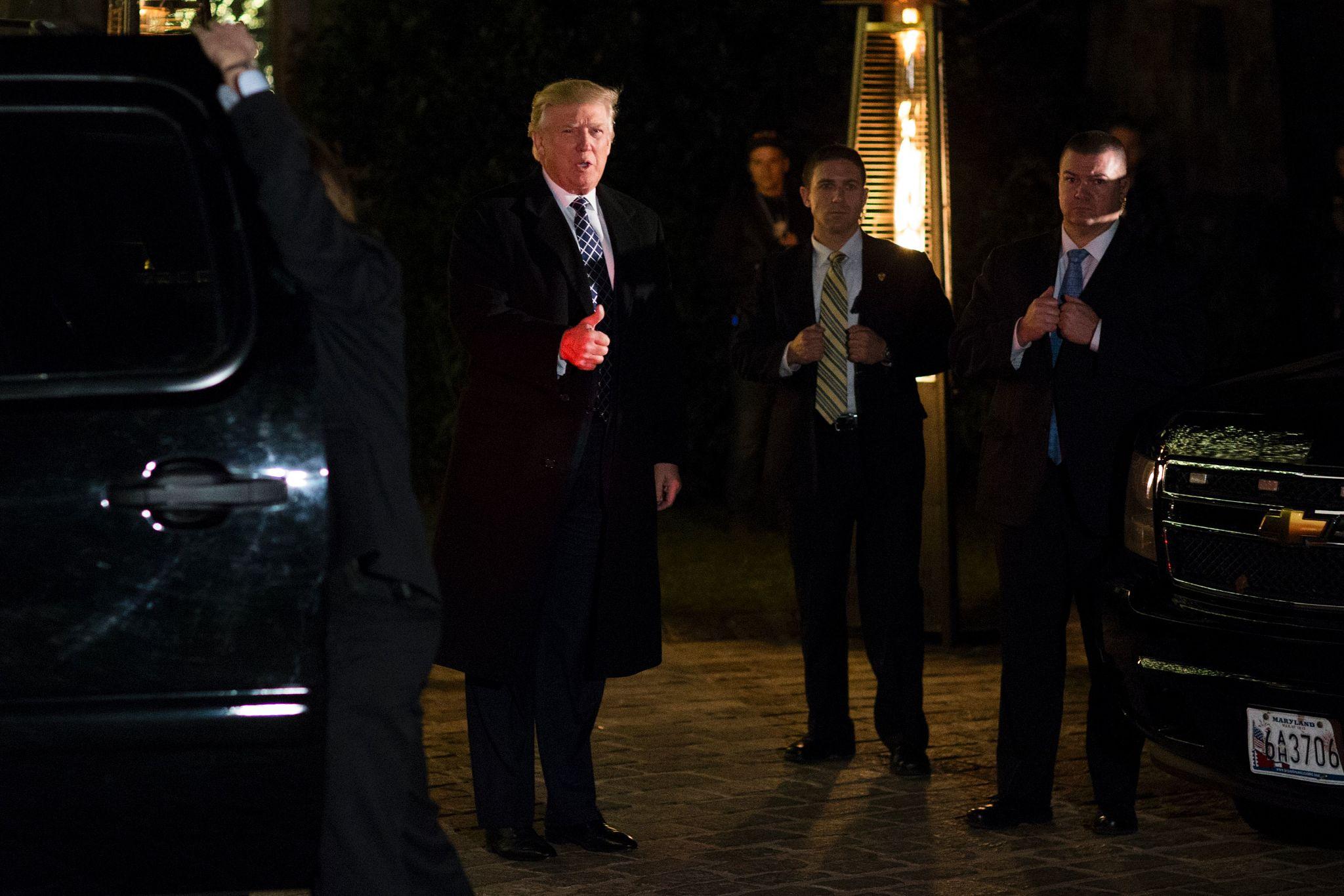
One of the central criticisms surrounding Trump’s handling of the war is that his public posture has often appeared reactive rather than structured. The Associated Press reported on March 29 that his conflicting messages have created confusion over U.S. goals, even as the administration insists it is making progress.
That uncertainty matters in a war where objectives need to be clearly communicated. A president can project unpredictability as a tactic, but unpredictability can also unsettle allies, complicate military planning, and make diplomatic off-ramps harder to build. In this case, Trump’s shifts between escalation and negotiation have left observers questioning whether the White House has a stable long-term plan. That is an inference based on the pattern described in recent reporting.
Reports about military effectiveness have also complicated the White House message. According to intelligence reported by Reuters and summarized by The Guardian, only about one-third of Iran’s missile and drone arsenal has been destroyed after weeks of operations, despite optimistic public claims from U.S. officials.
Political pressure is rising as the war enters a harder phase
The political risk for Trump is growing as the conflict moves beyond the initial shock phase. Reuters reported on March 29 that the Pentagon is preparing options for extended ground operations in Iran, though it remains unclear whether Trump will approve them.
That possibility carries major consequences. A limited air campaign is one thing; a drawn-out conflict involving troops on the ground is something else entirely. It would test public support, increase pressure on U.S. allies, and sharpen questions about the cost of the war at a time when markets are already reacting to energy disruption and regional instability.
Trump has also tried to keep diplomatic space open. In recent days, he delayed some threatened strikes on Iranian energy infrastructure while administration officials continued to talk about possible negotiations. But those pauses have not removed the core contradiction: the White House is still threatening greater force while also signaling it wants a settlement.
Why the criticism is getting louder now
The criticism is not simply about tone. It is about results.
An instinct-led leadership style can appear decisive in the early days of a crisis. But wars usually become harder, not easier, once the opening phase passes. The latest reporting suggests that Iran still retains meaningful capabilities, regional risks are widening, and the U.S. may be pulled deeper into the conflict than initially suggested.
That is why the argument that “instinct is not working” is gaining traction. The war has not yet produced the clean, rapid outcome that Trump’s rhetoric implied. Instead, it is presenting the kind of messy trade-offs that usually demand patience, coherence, and disciplined communication more than improvisation. This is an analytical conclusion drawn from the current reporting, not a direct quote from officials
Disclaimer: This article is based on publicly available reporting from reputable news organizations and reflects the situation as of March 29, 2026