








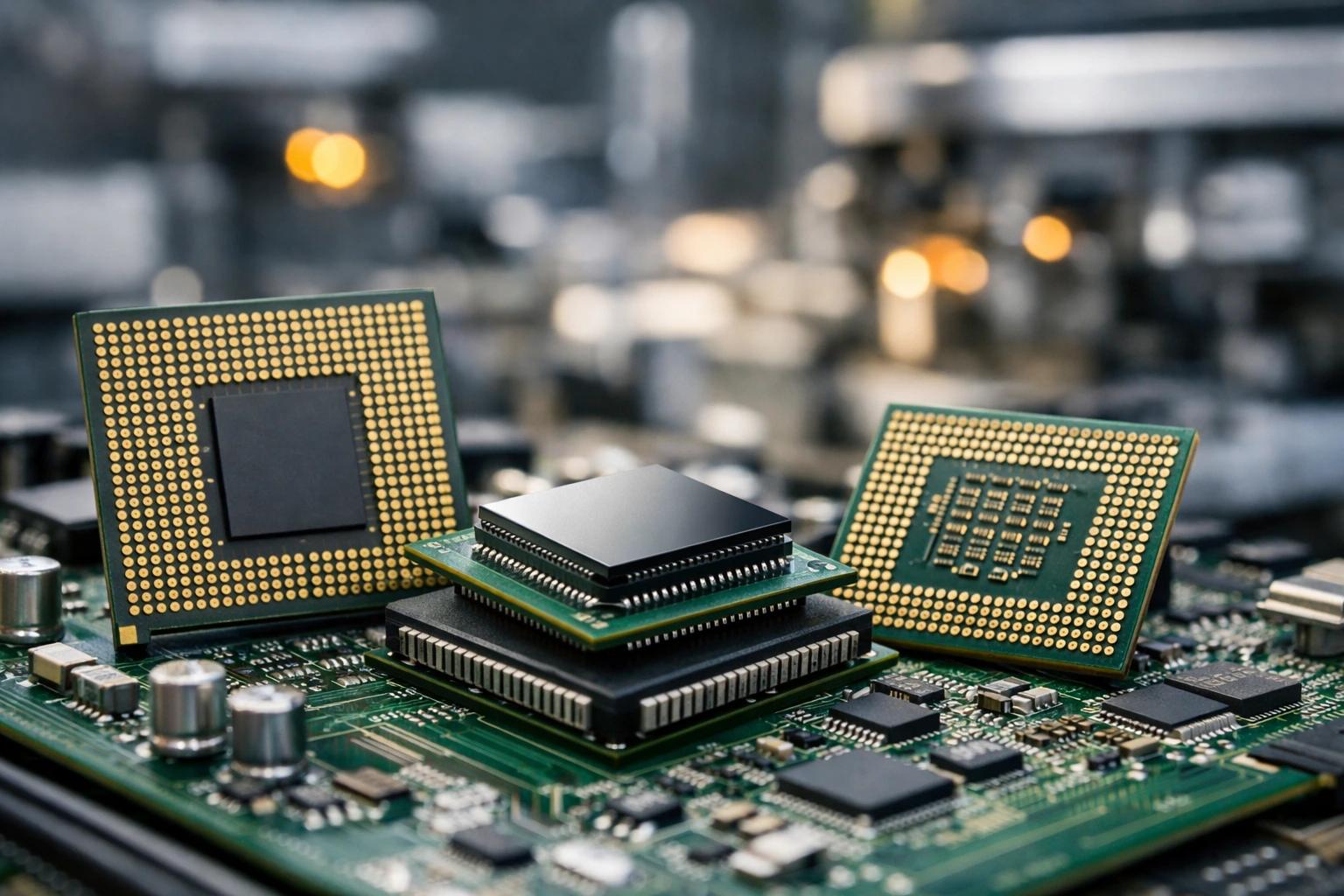
The world chip shortage that is leading to increased prices of electronics is again a cause of worry for many in the tech world. This is because semiconductors are used to power everything from cars to smartphones. The world chip shortage is again causing ripples in the world markets.
Over the past few months, demand, manufacturing issues, and geopolitical tensions have put pressure on the supply chain of semiconductors. This is likely to eventually lead to increased prices of many electronic devices that consumers use on a daily basis.
The world chip shortage is not a new issue. However, analysts are of the opinion that if supply is not increased to match the demand, then the supply-demand gap is likely to have a longer-term impact.
Why the Global Chip Crisis Is Returning
Semiconductors are among the most complex products to be manufactured today. To produce advanced semiconductors, specialized factories and expensive equipment are required along with refined materials.
There are a number of underlying reasons for the current chip crisis that is causing an increase in the prices of electronics.
Firstly, the current semiconductor crisis is also a result of a surge in the demand for semiconductors. Artificial intelligence technology, cloud computing technology, electric vehicles, and advanced consumer electronics are some of the sectors that use advanced semiconductors. As a result, manufacturers are currently facing a surge in the simultaneous demand for advanced semiconductors.
Another factor contributing to the current semiconductor crisis is the geographical concentration of semiconductor production. A few large manufacturers dominate the production of advanced semiconductors used in the world’s electronics. As a result, a natural disaster or a supply chain problem can affect the production of semiconductors.
Trade restrictions and technology rivalry between major economies are also affecting the flow of semiconductors. The current semiconductor crisis is also a result of governments regarding semiconductor production as a strategic priority and thereby imposing export restrictions and other regulations on semiconductor production. According to reporting from Reuters
Which Electronics Could Become More Expensive
The current global chip crunch, which is leading to an increase in prices of electronics, may have an impact on a variety of other electronic devices. The most obvious would be smartphones and laptops. The latest smartphones and laptops use highly advanced processors, graphics processors, and other memory modules. All of these use highly advanced manufacturing processes. The other area where the current chip crunch may have an impact is on the automobile industry. The latest cars use highly sophisticated chips to operate the safety features, navigation systems, electric motors, and infotainment systems. The BBC has found that “when there is a shortage of chips, manufacturers tend to focus on making high-end devices with higher profit margins.”
How Technology Companies Are Adapting
As a result of the ongoing global chip crisis and the increasing prices of electronics, many companies are making changes to their supply chain strategies.
Large technology companies are entering into long-term contracts with semiconductor manufacturers to lock in production capacity years into the future. Other companies are re-designing their products to be able to use a variety of different types of semiconductors.
Countries are also entering into the fray to address the semiconductor crisis. The United States, European Union, and several countries in Asia have launched multi-billion dollar initiatives to build out semiconductor production within their borders.
New fabrication facilities are already underway to be built, but the semiconductor production business is a long lead-time business. It can take several years to build out a new semiconductor factory.
New semiconductor production capacity may not be an immediate fix to the current crisis because of the time it takes to build out a new factory.
What Happens Next
The path that the global semiconductor market is going to take in the future is dependent on a few major factors.
If the rate at which artificial intelligence technology, electric cars, and cloud computing services are being consumed continues to increase, then the rate of production of semiconductors is likely to be outpaced.
Another factor that could affect the semiconductor market is politics.
However, according to industry experts, investments in the production of semiconductors are going to be made on a large scale in the coming years.
At the moment, the current global semiconductor crisis is a good reminder of just how dependent the world is on a vital component.
What this might mean for consumers is that some electronics might be a bit out of their budget in the coming days.