
Sponsored
Loading sponsor message...
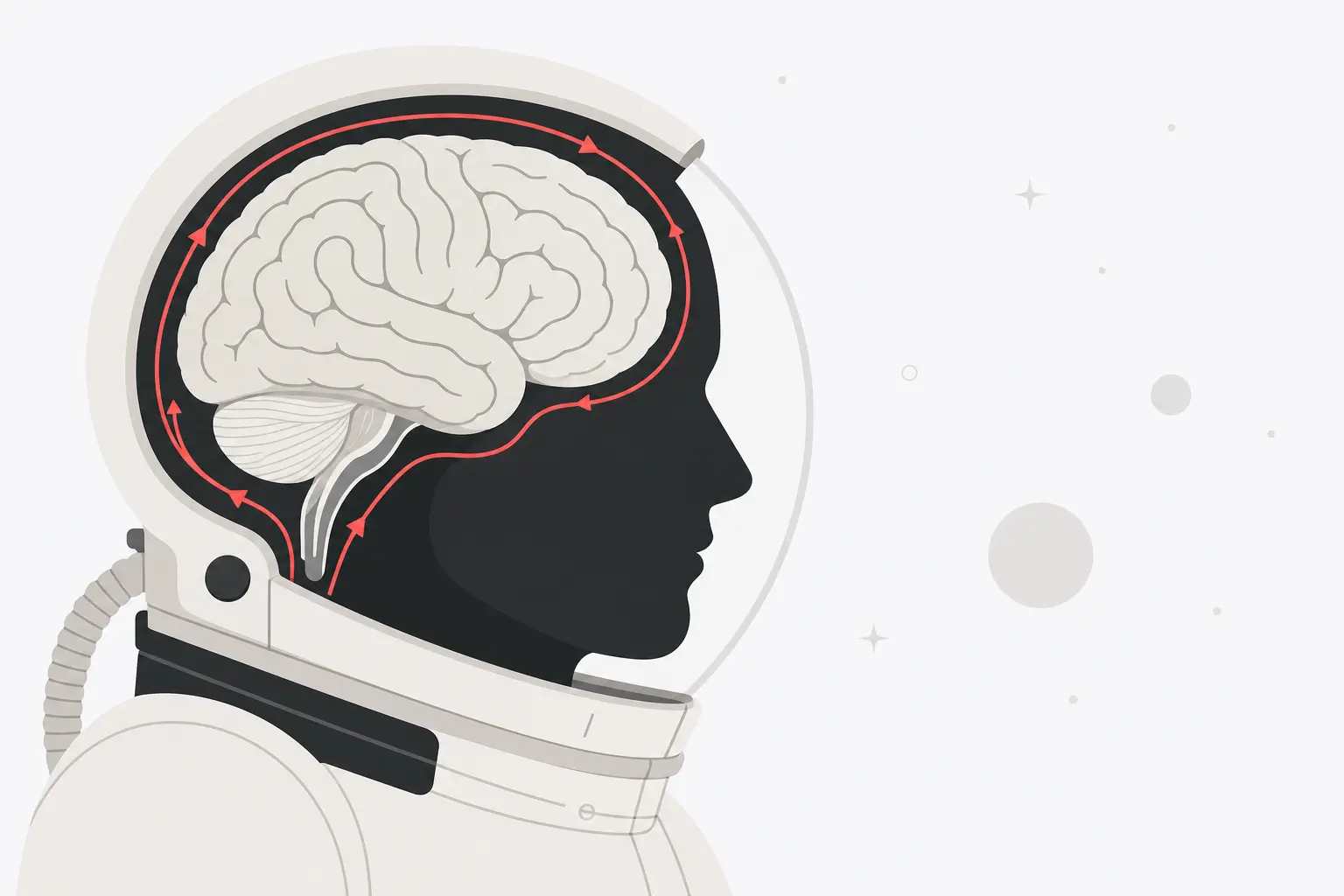
Microgravity reshapes astronaut brains within weeks - causing fluid shifts, structural changes, and vision impairment that can persist long after return to Earth.
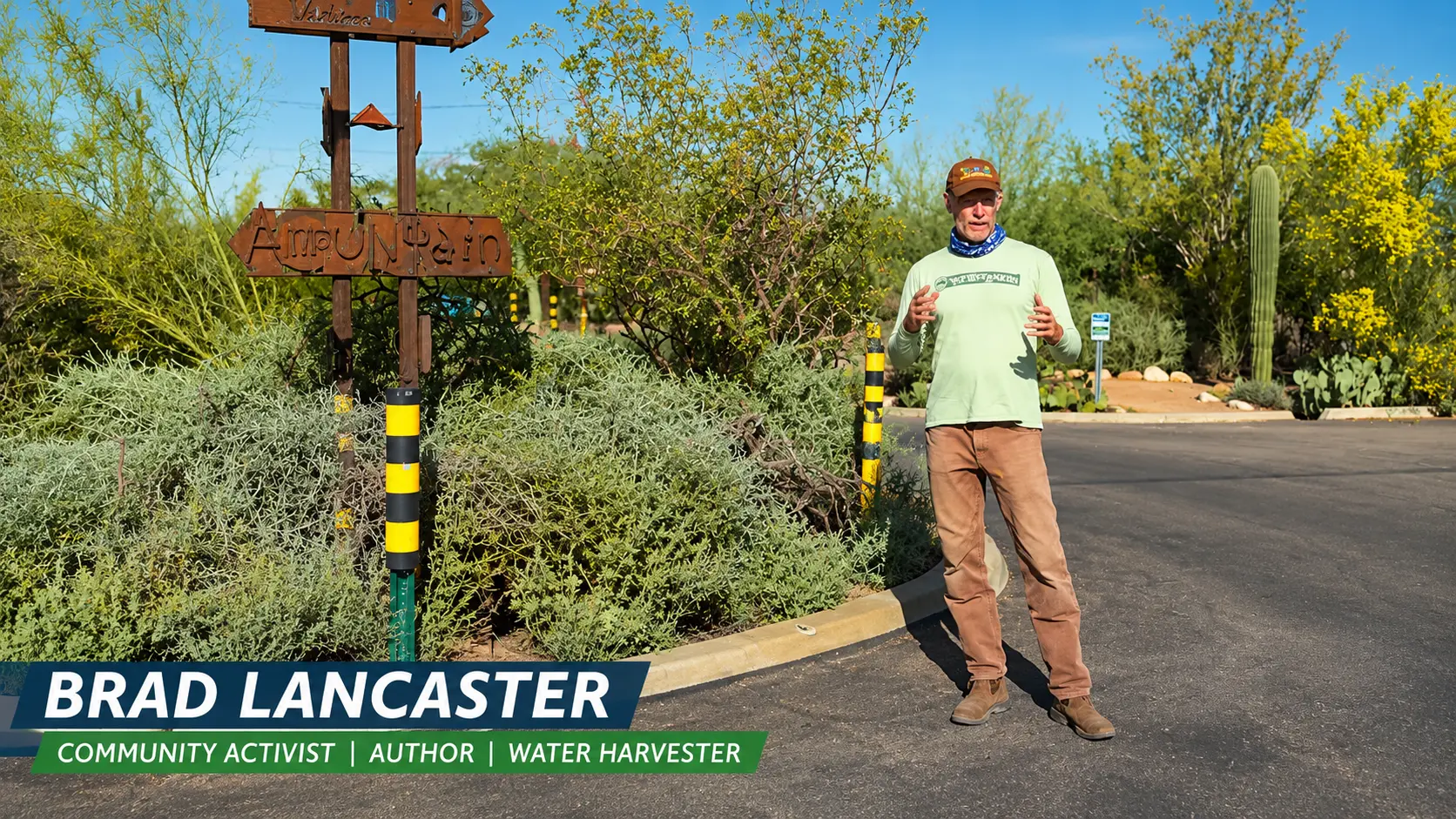
Thirty years ago, environmental advocate Brad Lancaster challenged conventional water management by redirecting stormwater from a roadside curb into the soil outside his home in Tucson, Arizona. What was once considered an unauthorized practice has since evolved into a city-supported model for urban water conservation. Today, Lancaster's neighborhood harvests more than 1 million gallons (3.7 million liters) of stormwater annually, has planted over 1,700 native food-bearing trees, and demonstrates how decentralized rainwater harvesting can reduce water demand, improve urban cooling, and strengthen climate resilience. As drought and water scarcity intensify worldwide, Tucson's transformation offers valuable lessons for cities seeking sustainable solutions.
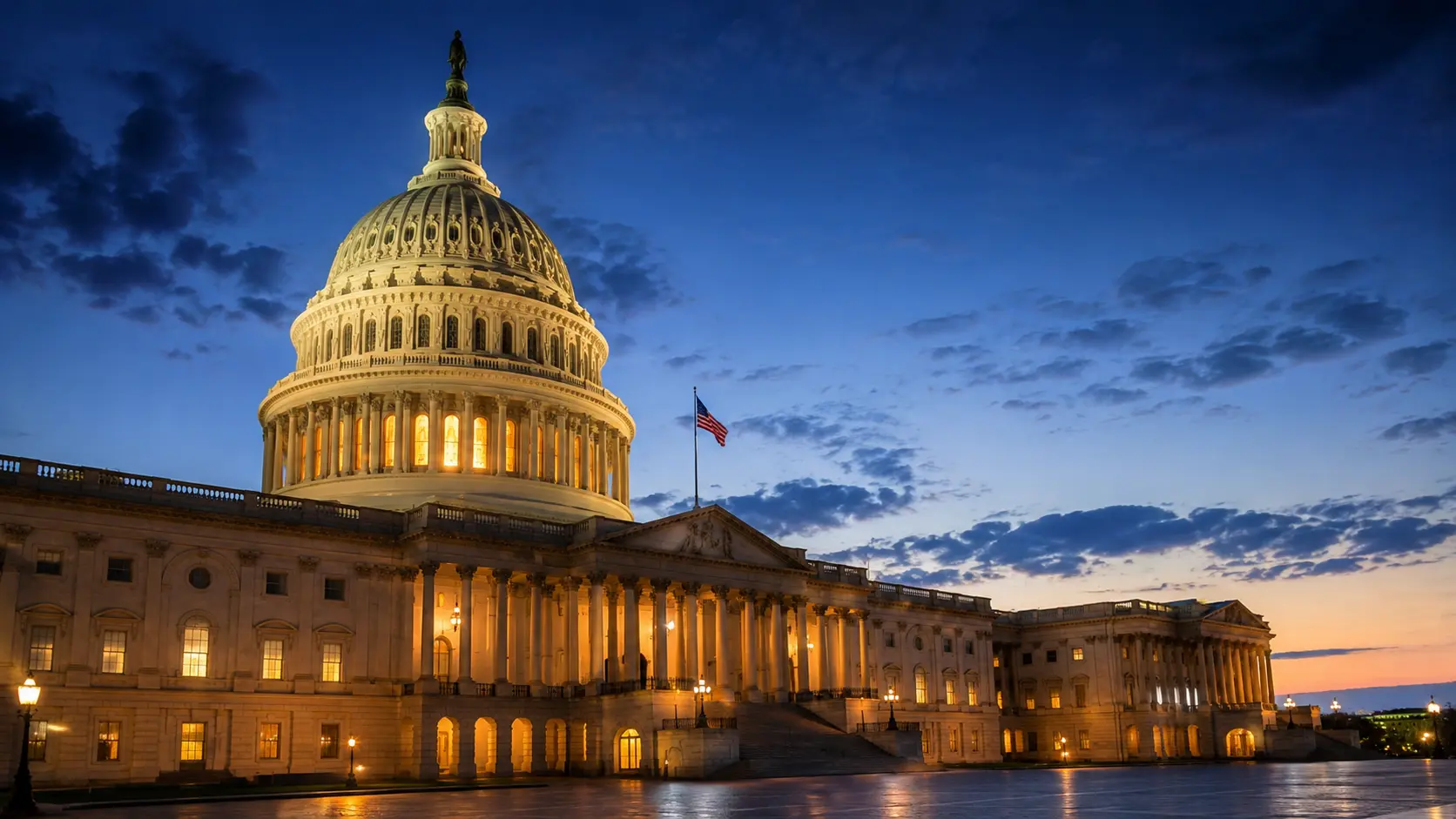
The US Senate approved a war powers resolution directing President Donald Trump to halt military hostilities against Iran without congressional authorization, completing passage through Congress after earlier House approval. The vote marks the first time both chambers have passed a measure of this kind concerning Trump's Iran policy, highlighting growing bipartisan concern over executive war-making authority.
SpaceX's artificial intelligence strategy is expected to generate stronger near-term returns from terrestrial applications rather than deep-space missions. Analysts say AI integration across satellite communications, network optimization and data infrastructure could drive the company's commercial growth.

Global financial markets moved higher while oil prices declined after the United States and Iran halted hostilities, easing fears of a wider regional conflict and improving investor sentiment.