






State Bank of India reportedly exercising caution in processing payments for Russian oil shipments amid sanctions uncertainty.
SBI Hesitates to Process Russian Oil Payments Despite US Waiver
The largest public sector lender in India, State Bank of India (SBI), is said to be avoiding the processing of payments related to Russian crude oil imports despite the waiver by the United States on sanctions on such transactions.
The lender has adopted a cautious approach in dealing with such transactions because of the uncertainty over global sanctions policies, said sources familiar with the matter.
Compliance Concerns Drive Caution
The caution seems to emanate from concerns that in the near future, policy shifts could occur, and as a result, there could be secondary sanctions and international compliance concerns. Although the United States has provided temporary waivers for transactions related to Russian oil, there are still concerns about possible legal and financial consequences.
Financial institutions with international operations often take a very cautious approach to complying with international sanctions regimes, especially those related to the US financial system, as it plays a critical role in facilitating cross-border transactions.
Impact on India’s Oil Trade
India has ramped up purchases of discounted Russian oil since the Ukraine conflict began, with Russia emerging as a top oil supplier to the nation.
However, any issues related to processing payments, whether due to bank restrictions or a lack of willingness, might create issues in the settlement mechanism between Indian buyers and Russian sellers.
Alternative Payment Channels
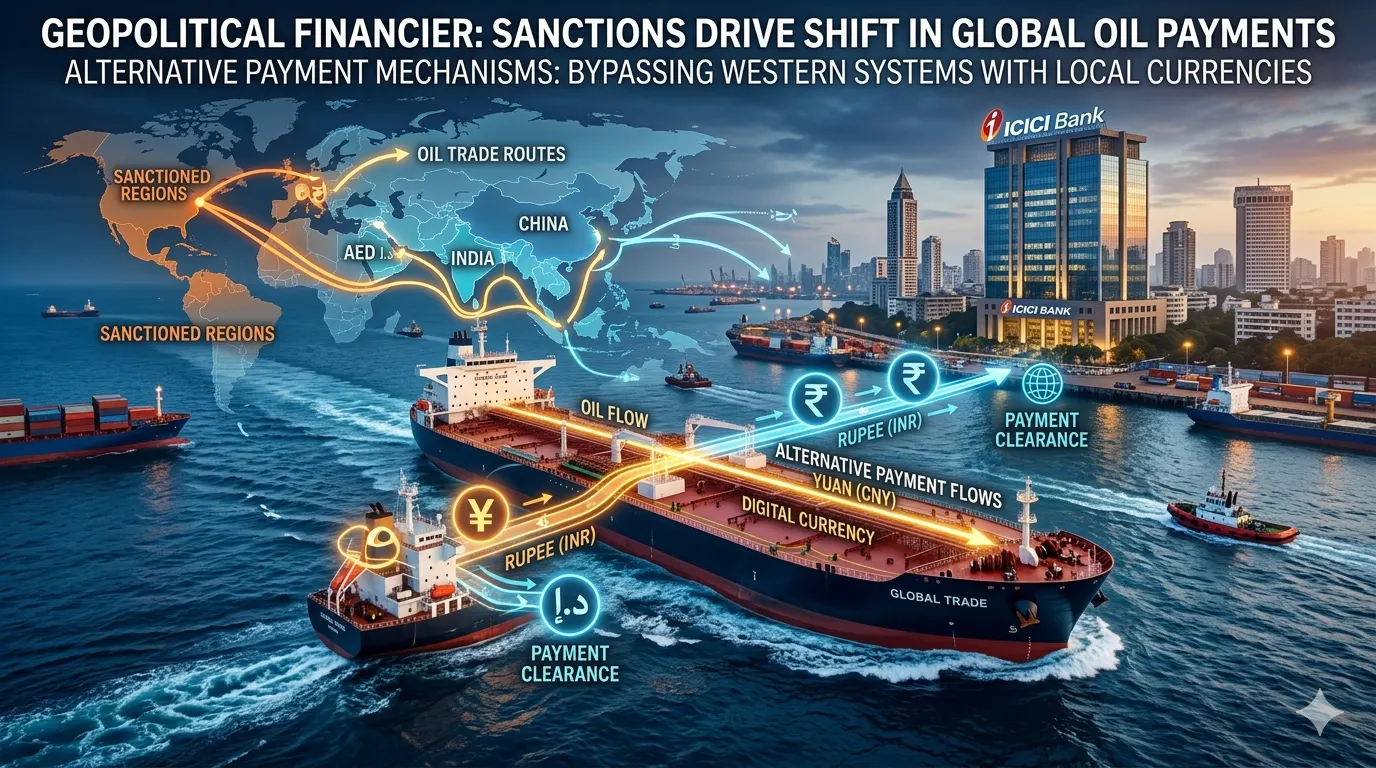
There are indications of alternative payment systems being explored, as suggested by various participants in the market, which could help Indian oil companies continue the trade process through alternative financial channels.
In addition, settlement mechanisms in Indian rupees, Chinese yuan, or any other currency besides the US dollar are also being discussed as a potential solution, as this might help circumvent the Western financial system.
Geopolitical and Financial Implications
The case points out the overall problems faced by global financial institutions in dealing with complex geopolitical environments. Although governments can waive certain conditions for financial transactions, financial entities can be more cautious in dealing with such cases.
In dealing with global energy markets influenced by geopolitical environments, financial institutions can be cautious while dealing with sanctions on certain economies.
Disclaimer:
The information contained in this article is for informational and news purposes only. Although every effort is made to ensure the accuracy and completeness of the information presented in this article, Vetopost does not guarantee the accuracy and completeness of the information contained in this article. You agree to the following our terms & conditons when you use this website: