




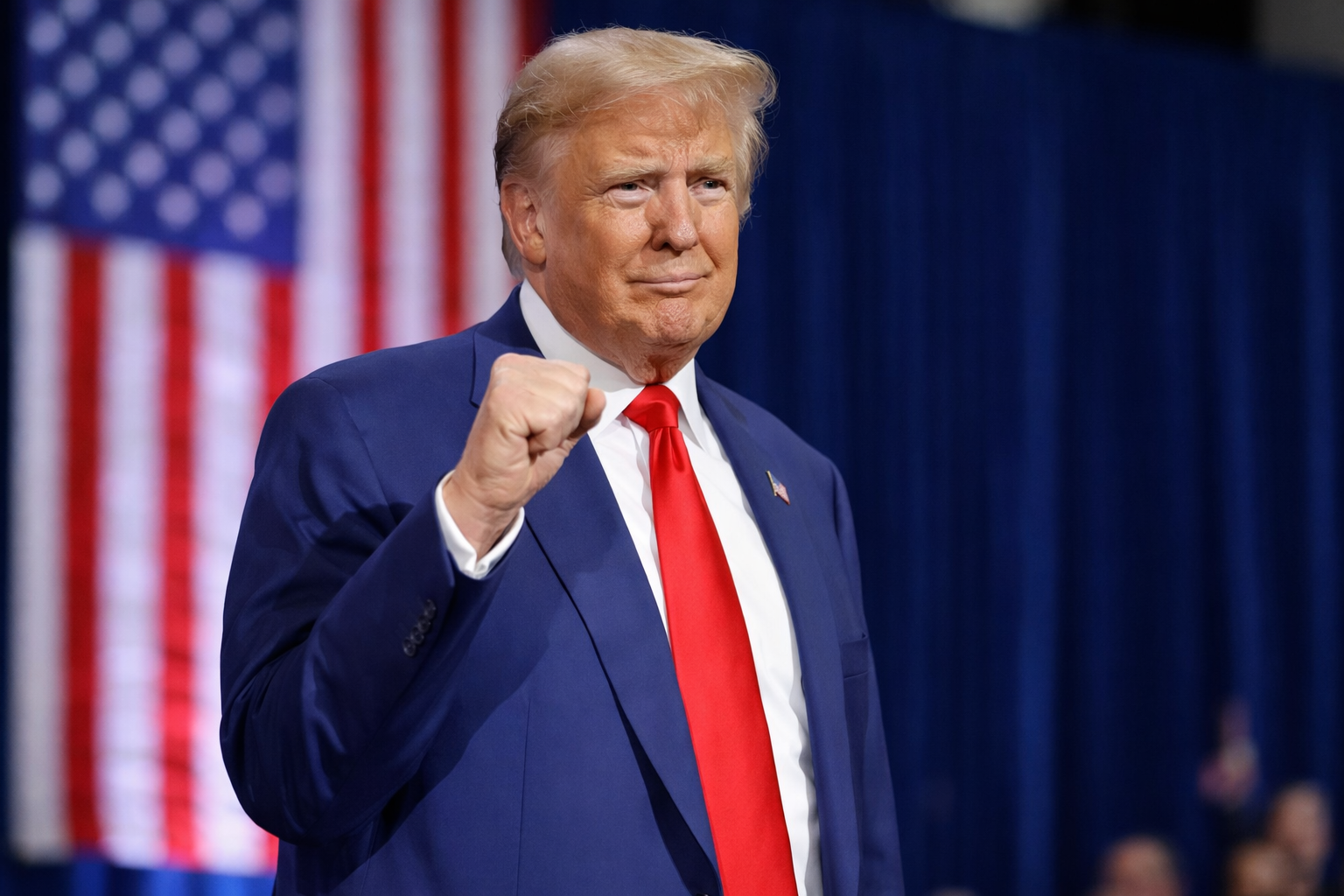
The move has reignited debate over federal immigration policy and law enforcement presence in Democratic-led cities, with former US President Donald Trump stating that he had ordered the withdrawal of nearly 700 immigration enforcement agents from Minneapolis.
Speaking at a campaign event, Trump stated that the move was made after what he termed a lack of cooperation from local authorities and growing political friction between federal agencies and city leaders. According to Trump, the agents, who are mostly from Immigration and Customs Enforcement (ICE), were withdrawn to prevent “political interference” in enforcement operations.
Why Minneapolis?
Minneapolis has historically been a hotbed of controversy in the US regarding policing and immigration. After the George Floyd protests in 2020, Minneapolis became even more of a focal point. The city has continued to keep policies in place that restrict cooperation with federal immigration agencies.
However, Trump believed that this was having a negative effect on border security and federal law enforcement. “If cities won’t work with us, we won’t waste resources there,” Trump said.
Political Fallout
The news has elicited strong reactions from all corners of the political divide. The Republican Party has generally supported Trump’s position, terming it a strong reaction to what they refer to as “sanctuary city” policies. Democrats and immigration activists, on the other hand, have criticized Trump for using government agencies as political instruments.
Minneapolis city officials reacted to the withdrawal by stating that it would not affect public safety, as local law enforcement is distinct from federal immigration enforcement.
Wider Implications
This episode also brings to the fore the fact that immigration enforcement remains a major concern in US politics, especially with the increasing momentum of the 2026 election cycle. Experts point out that these kinds of actions are intended to excite Trump’s core supporters while also creating a clear contrast between Trump’s models of governance and those of the Democrats in major cities.
Whether these agents will be sent to other locations or whether this is a sign of a larger shift in the enforcement strategy is not clear, but this action has once again put immigration at the forefront of the divide in American politics.