





Iran Leader Ayatollah Ali Khamenei Killed in US-Israel Strike
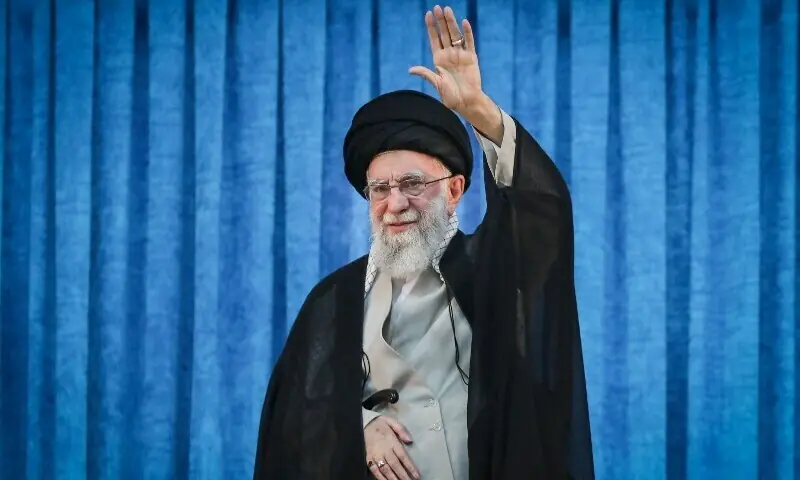
The reported death of the Iranian Supreme Leader in the targeted military strike has caused shockwaves throughout the Middle Eastern region and the world at large. News of the death of the Iranian Supreme Leader, Ayatollah Ali Khamenei, in the US-Israeli attack has led to immediate diplomatic responses and security concerns, as well as speculation regarding the future of the Iranian political landscape.
While the Iranian state media has not confirmed the reported death of the Iranian Supreme Leader at the time of publication, various international sources have reported the alleged security sources regarding the coordinated strike involving US intelligence and Israeli military assistance, although the US and Israeli governments have not confirmed their involvement in the strike.
Who Was Ayatollah Ali Khamenei?
Khamenei had ruled Iran since 1989 after the death of Ruhollah Khomeini. He had the final say in the country’s armed forces and key institutions.
Iran’s geopolitical reach had extended during his rule through the use of allied militias and strategic alliances in Iraq, Syria, Lebanon, and Yemen. His period was also characterized by increasing tensions with the United States and Israel, particularly concerning Iran’s nuclear program.
The strike, if confirmed, would mark one of the biggest geopolitical events in the region in recent decades.
Details of the Reported Strike
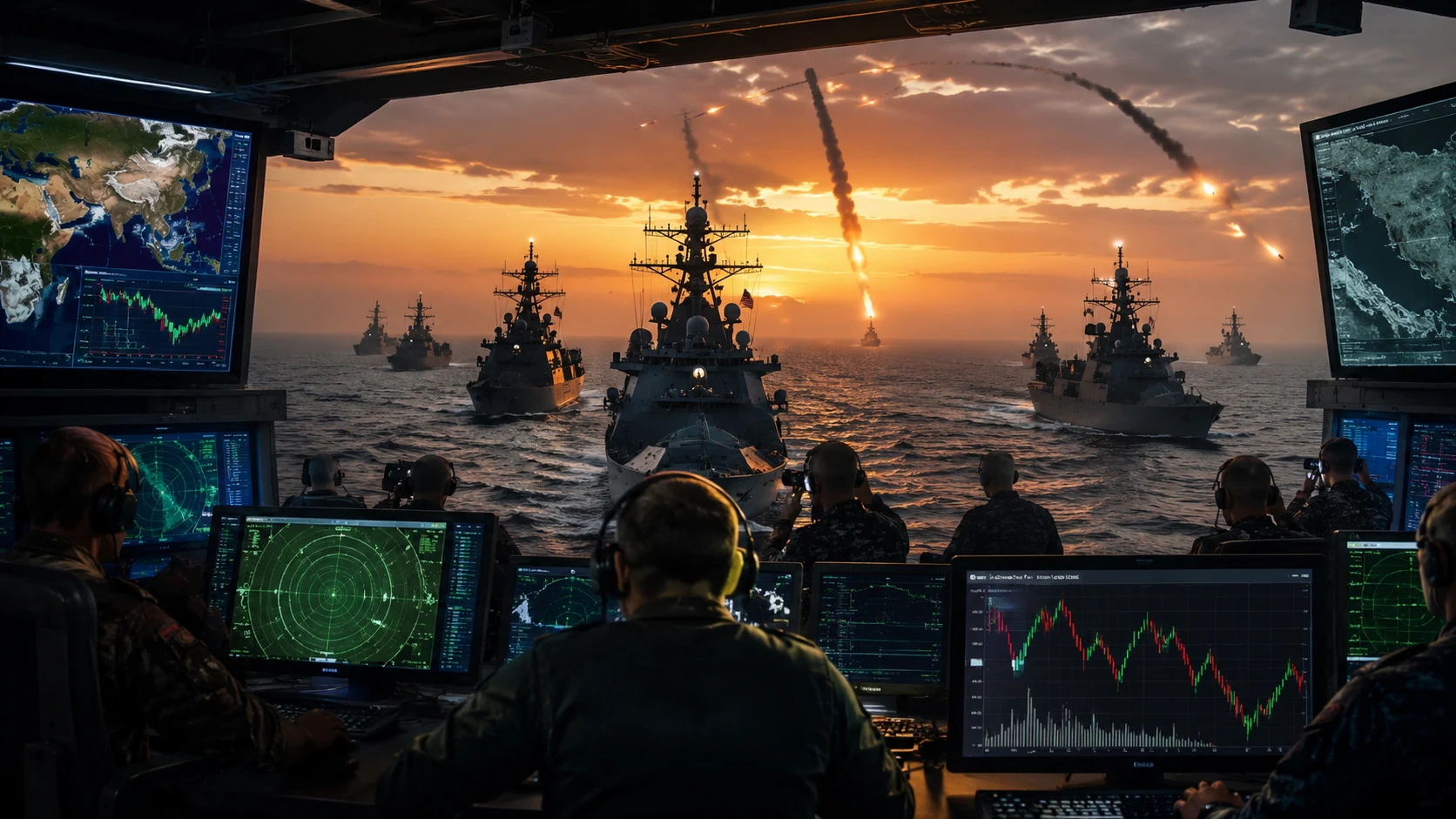
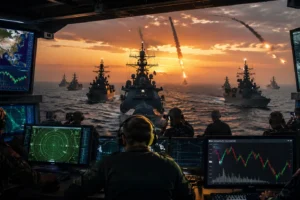
Preliminary reports indicate that the attack may have happened at a time of increased military activity in the region. Analysts have cited increased tensions between Israel and Iranian-backed forces as a possible contributor to the attack.
The Israeli government has traditionally seen Iran’s leadership as a strategic threat. In contrast, the United States has continued to impose sanctions and diplomatic isolation but has not carried out direct attacks on Iran’s top leaders.
However, it should be noted that there was no official confirmation of the attack at such an early stage because of the critical nature of the situation. Military movements by Iran are being closely monitored by intelligence agencies.
Immediate Regional Reaction
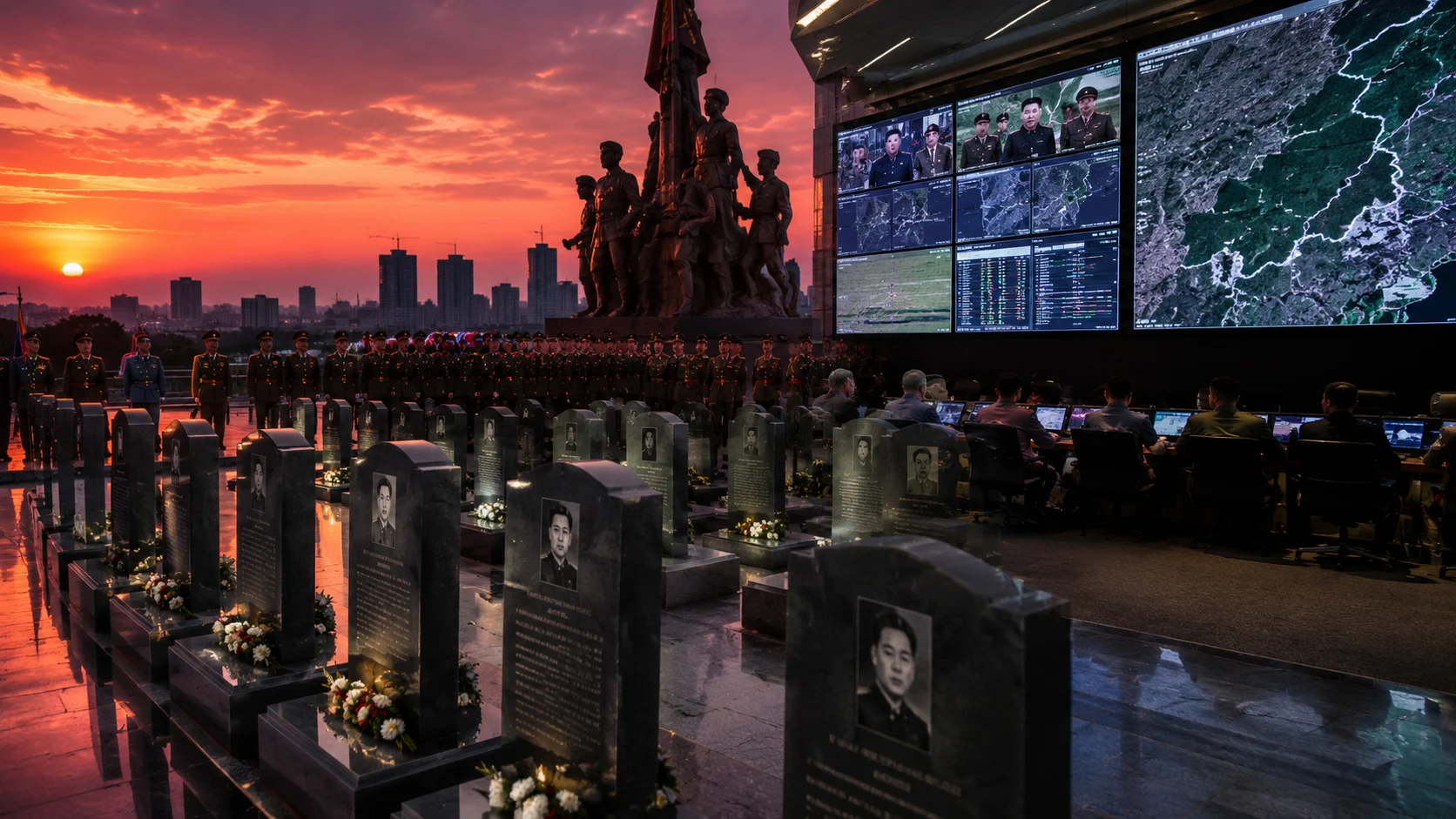
In Tehran, large security deployments have reportedly been observed around government buildings and military facilities. State television has aired religious programming, often a sign of national crisis.
Leaders in neighboring countries have called for restraint. Oil markets responded with volatility amid fears of supply disruptions through the Strait of Hormuz.
Global powers, including European Union members, have urged de-escalation. The United Nations Security Council is expected to convene emergency consultations.
Global Strategic Implications
The reported death of Khamenei would change the strategic landscape in the Middle East. Iran’s nuclear talks, which are currently in limbo, may face further uncertainty.
Israel’s security situation is likely to become much tighter. US military bases in the region may also go on high alert status.
The markets are reacting cautiously to the reported death of Khamenei, especially in the energy and defense sectors. However, the long-term impact would depend on how the Iranians handle the transition and the tone set by their new leadership.
Disclaimer: This article is based on publicly available information from reputable international news organizations and official statements available at the time of writing. Details may evolve as governments and verified sources provide further confirmation.