


Trump Warns Iran of ‘Unprecedented Force’ Response
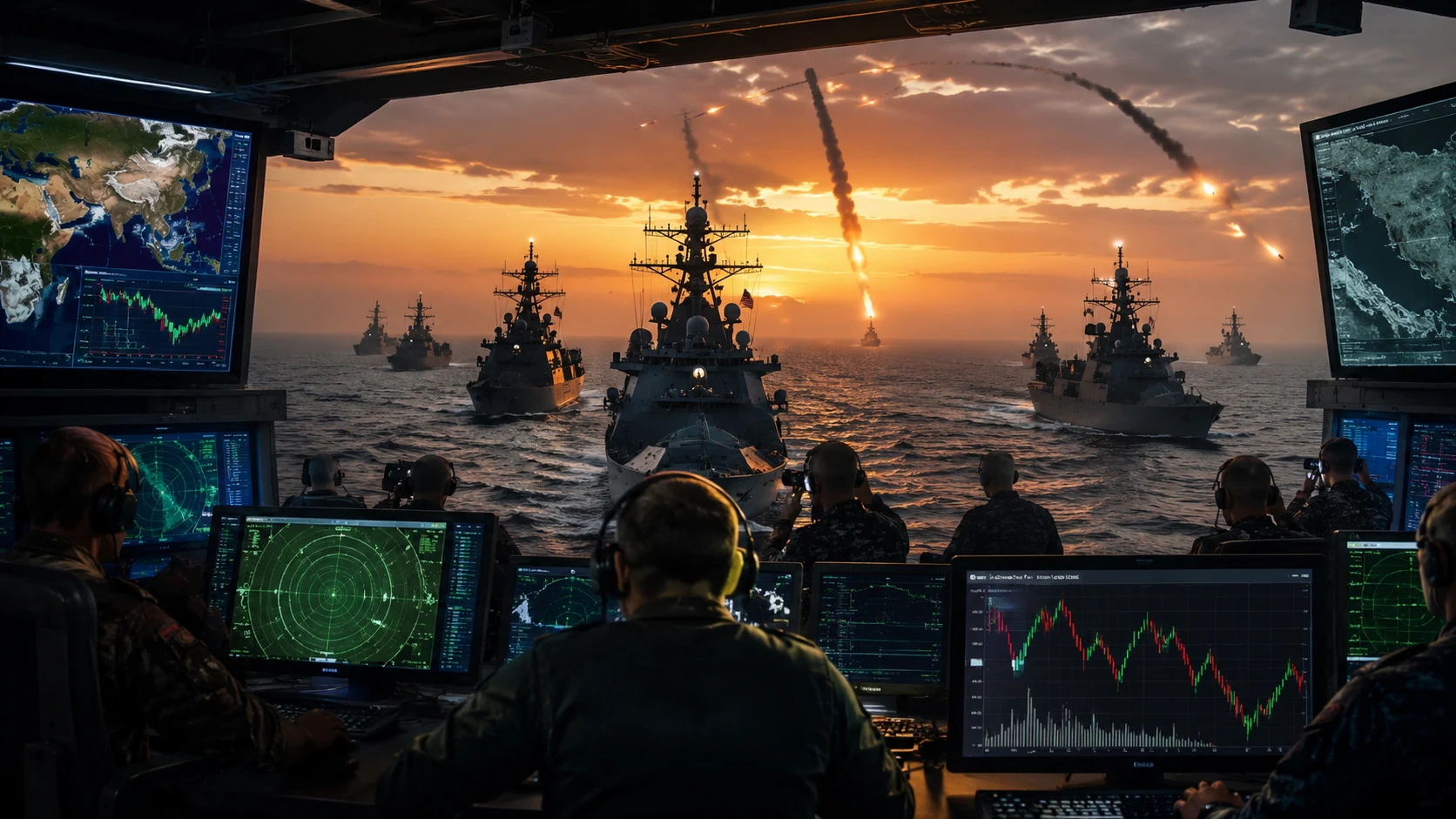
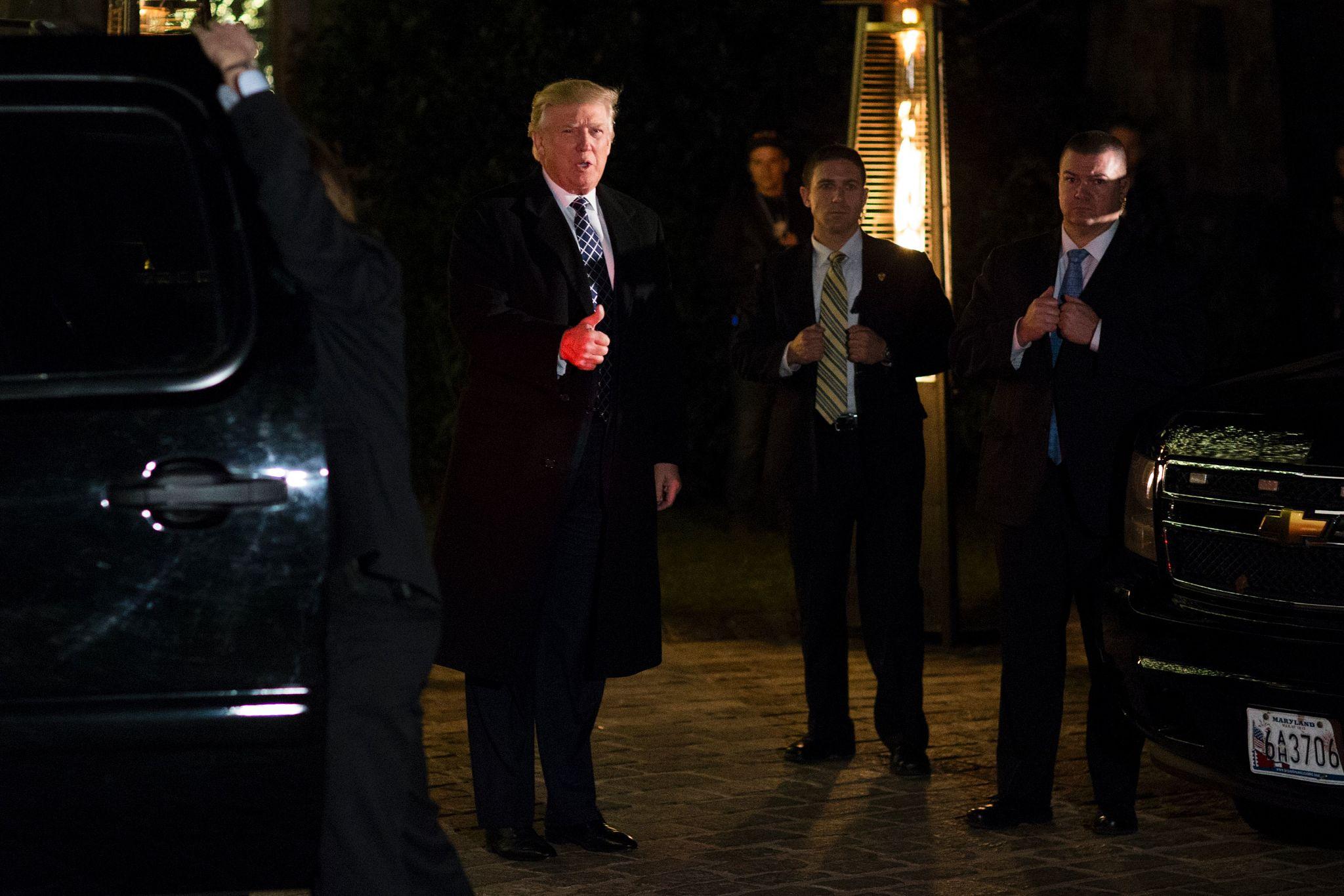
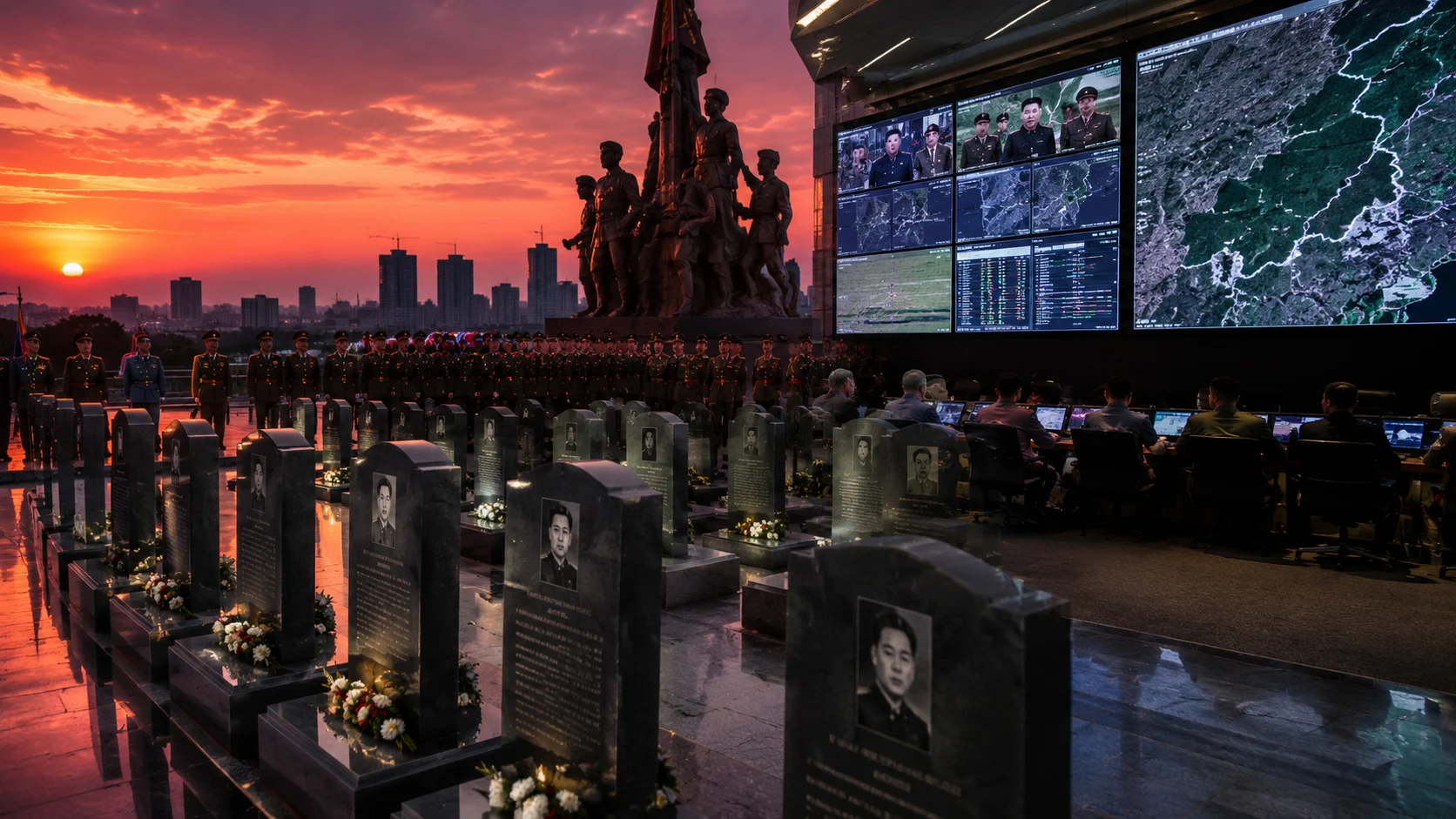
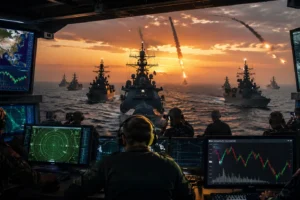
The unprecedented force warning given to Iran by the former President of the United States, Donald Trump, following the death of the Iranian Supreme Leader, Khamenei, has brought geopolitical tension to the international scene, with the two countries again becoming the focal point of global attention. During a public gathering, Donald Trump stated that the United States would retaliate with unprecedented force if Iran tried to retaliate following the reported death of Ayatollah Ali Khamenei.
“They better not do that,” Mr. Trump stated, indicating that if Iran tries to retaliate militarily, the consequences would be severe from the American side.
Rising Tensions Between Washington and Tehran
The relationship between the two countries has always been tense. During the tenure of the former President of the United States, Donald Trump, the situation was the most volatile following the assassination of the Iranian General Qasem Soleimani in the year 2020.
Trump’s latest statement may be seen as a continuation of the hard stance that the former President of the United States took on Iran throughout his tenure. When he withdrew from the nuclear deal signed between Iran and the other members of the five-member group plus Germany in the year 2015, also referred to as the Joint Comprehensive Plan of Action (JCPOA), the situation was altered significantly.
Iranian authorities have not made any comments on the statement made by the former President of the United States, but experts have stated that the change of leadership, especially of a person like Khamenei, would have significant consequences.
Experts have stated that the statement may be a way of deterring Iran from retaliating.
Regional and Global Implications
The Middle East has a complex array of alliances and proxy warfare. Iran has a presence through its allies in Lebanon, Iraq, Syria, and Yemen. If there is a perceived threat to its leadership, the situation has the potential to spill over into the region.
The markets have an equally swift response to the situation. Oil prices have historically gone up whenever there is an escalation of tensions between the United States and Iran. The global investor base is keenly watching the developments through the diplomatic corridors.
Allies in Europe and Asia would likely caution against an escalation of the situation. Global institutions, such as the United Nations, would likely call for de-escalation whenever there is a high level of rhetoric between two or more countries.
Trump’s rhetoric, as political analysts have opined, would likely have a resonance within the United States as well. Strong rhetoric on national security has historically played well with the electorate, especially during an election season.
Strategic Messaging or Escalatory Signal?
Foreign policy experts also have differing opinions about this. Some experts believe that issuing such strong warnings can prevent miscalculations on the part of the adversary. Others believe that issuing such public threats can corner an adversary and leave them with no room for diplomacy.
The question is whether Iran takes this as a deterrent measure or as a challenge to test the US’s determination.
Military personnel usually prefer such issues to be dealt with behind closed doors. Issuing such public statements about using “unprecedented force” is not a good idea.
Deterrence theory also states that if both parties are made aware of the consequences of retaliation, it can be averted.
What Happens Next?
Several factors will play out in the coming weeks:
Iran’s official response: Statements by Iran’s government will indicate whether the situation is escalating or de-escalating.
U.S. military movements: Any signs of troop movements in the region could change the situation.
Diplomacy: Diplomatic efforts often play an important role in stabilizing the situation.
Energy market movements: Oil prices could also be influenced by the situation.
For now, the rest of the world seems to be taking the situation with caution and not reacting too much. Diplomats are probably working behind the scenes to prevent the situation from worsening.
Disclaimer:
This article is based on publicly available statements and reporting from reputable international media organizations and official sources. Information may evolve as new developments emerge.