







Iran Lebanon ceasefire inclusion: Tehran pushes to link truce with Hezbollah conflict
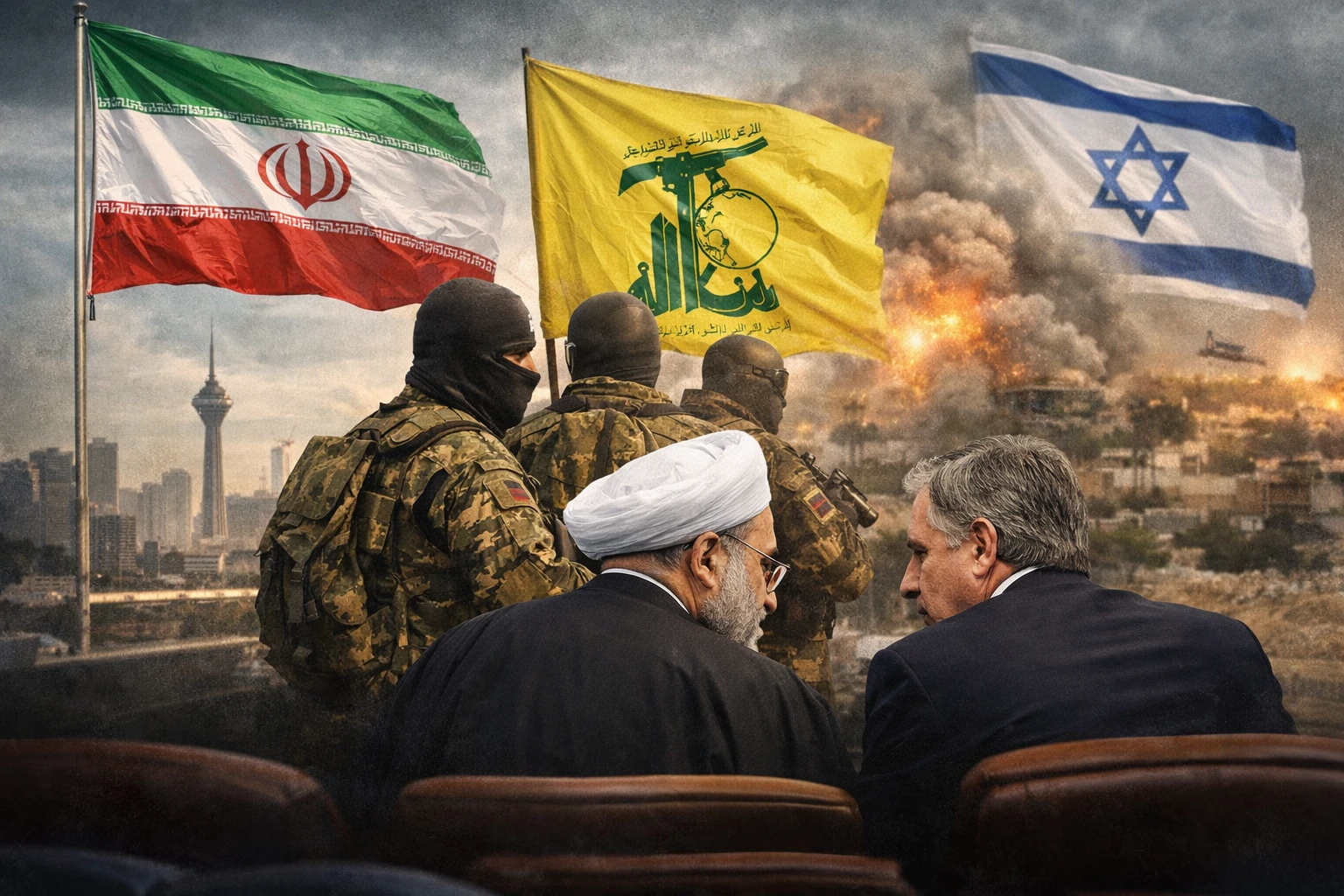
Iran has informed the mediators that any ceasefire agreement with the United States and Israel has to be extended to include Lebanon, signifying that the issue is being viewed in a much bigger and broader manner.
This means that the ceasefire will be tied not only to the Iran issue but also to the conflict in which the Lebanese militant group Hezbollah is involved.
Why Iran wants Lebanon included
According to regional sources, Tehran has made it clear that it wants any deal to halt Israeli operations in Lebanon alongside broader ceasefire terms.
The move reflects Iran’s long-standing strategic relationship with Hezbollah and its intent to protect allied groups across the region.
Sources say Iran communicated this position to intermediaries as early as mid-March, emphasizing that a ceasefire should not be limited to one front of the conflict.
One official indicated that Tehran is seeking guarantees that Israeli strikes on Hezbollah would stop under any agreement.
Impact on ceasefire negotiations
Iran’s stance also complicates the ongoing diplomatic efforts. Western and regional diplomats have been seeking to establish a framework for the ceasefire agreement that mainly addresses the direct tensions between Iran, the United States, and Israel.
Iran’s inclusion of Lebanon in the agreement is, in effect, broadening the scope of the negotiations to include yet another contentious area.
This could cause delays in the process, as Israel has traditionally argued that it must have the capacity to respond to Hezbollah threats, even in the context of a ceasefire agreement.
Lebanon’s internal dynamics add complexity
The situation is further complicated by political divisions within Lebanon.
The involvement of Hezbollah in the conflict has also heightened tensions within Lebanon, particularly after the recent fighting and demands by some for the group to disarm.
Meanwhile, the support of Iran for Hezbollah has also affected the power balance in the region and has made the involvement of Lebanon in any Middle East ceasefire a key issue.
What Happens Next
The proposal, which is backed by the US, is still being studied by Iran, but it has neither accepted nor rejected it.
The diplomatic efforts are expected to continue in the coming days, and the mediators are likely to narrow the gap between the differing demands.
The success of the negotiators in including Lebanon in the framework, without jeopardizing the talks, is likely to pave the way for a wider ceasefire agreement.
Disclaimer:
This article is based on publicly available information from reputable sources such as Reuters and other international media. Developments may evolve as diplomatic discussions continue.