






Trump’s Threats to Europe Put Its Leaders in a Double Bind Over Iran
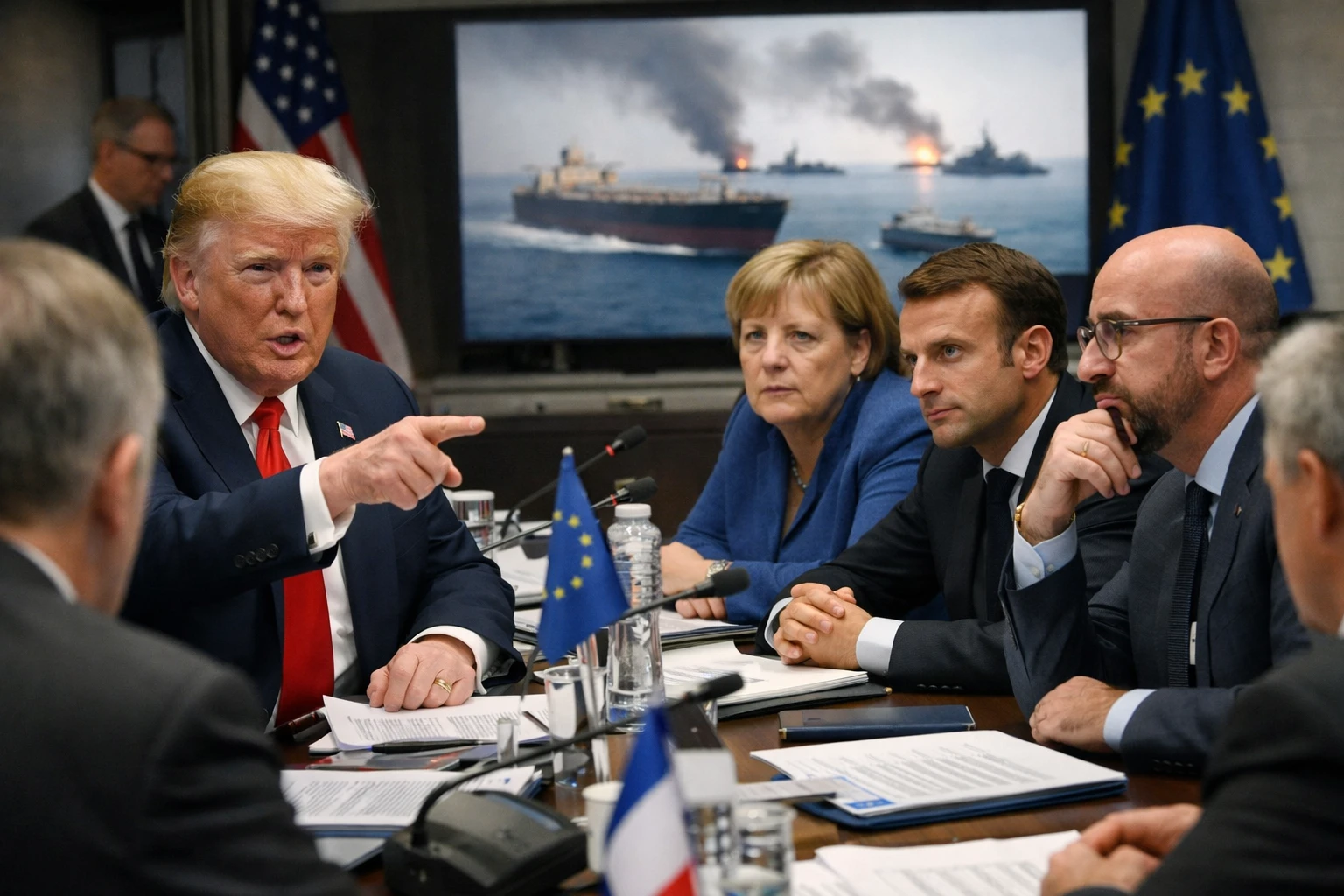
European leaders are increasingly caught in a dilemma as the threats made by Trump on Europe regarding Iran are increasing with the rise of the Middle East conflict. While the US is demanding stronger military and strategic support, the European countries are finding it difficult to balance the demands of the US with the demands of their own people. While supporting the US, they may lose stability, and if they do not support the US, they may lose the alliance.
Why Europe Is Caught in a Strategic Dilemma
The present crisis has also revealed the deep divisions within Europe.
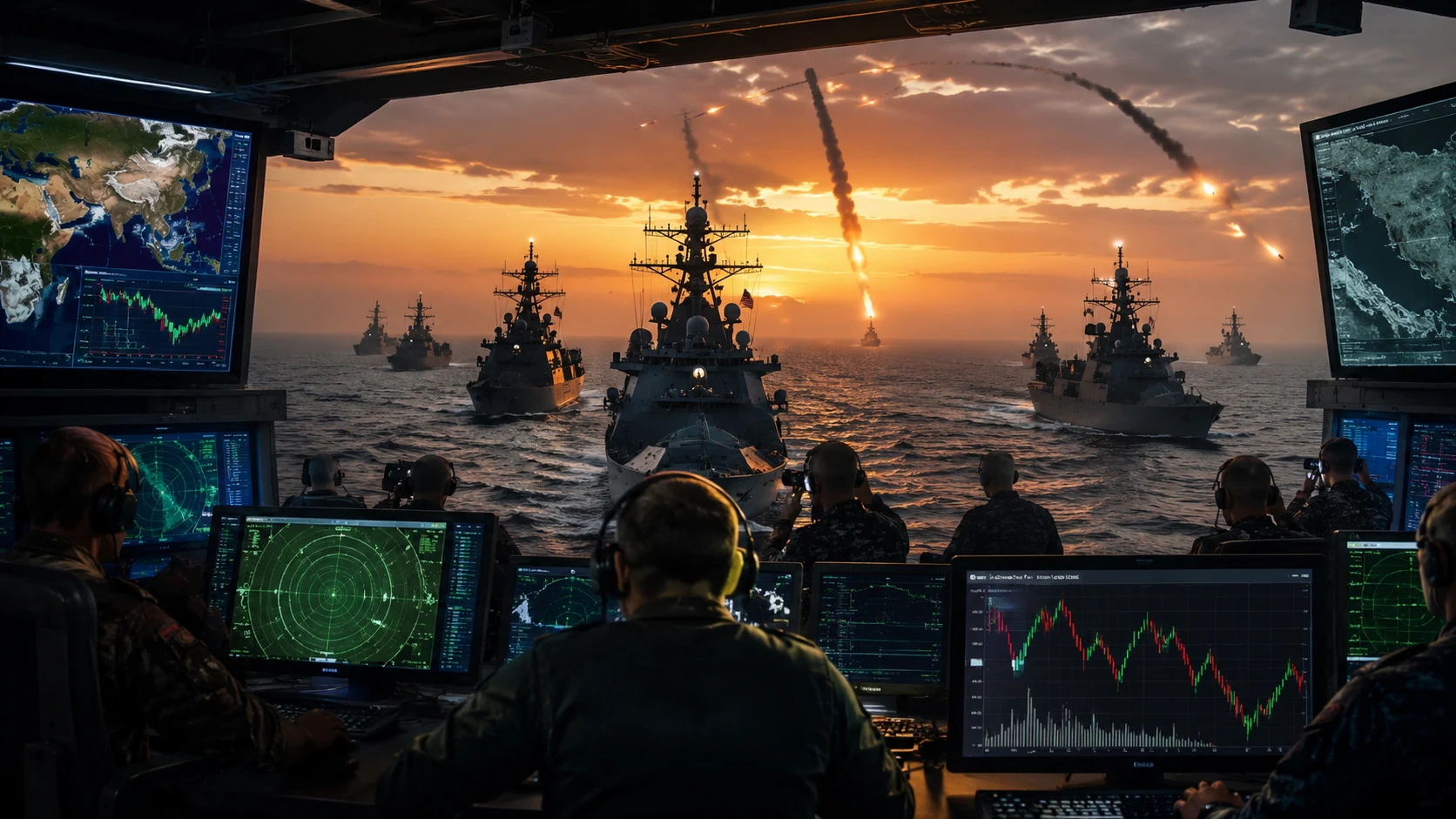
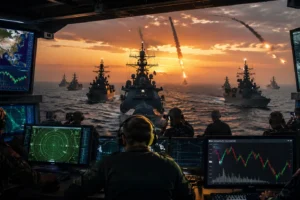
On one hand, the US has asked its European allies to support the efforts to protect the vital waterways such as the Strait of Hormuz and counter Iran’s actions.
On the other hand, some of the European leaders of the European Union are hesitant to contribute military power. Instead, they are supporting the idea of imposing sanctions on Iran.
This is due to the fact that the European leaders are worried about the present situation due to the following reasons:
Public opinion: The people of Europe are not in favor of the war in the Middle East.
Economic concerns: The increase in oil and gas prices has already affected the European economy.
Security concerns: The war may also create migration issues in the Middle East.
Trump’s Escalating Pressure on Allies
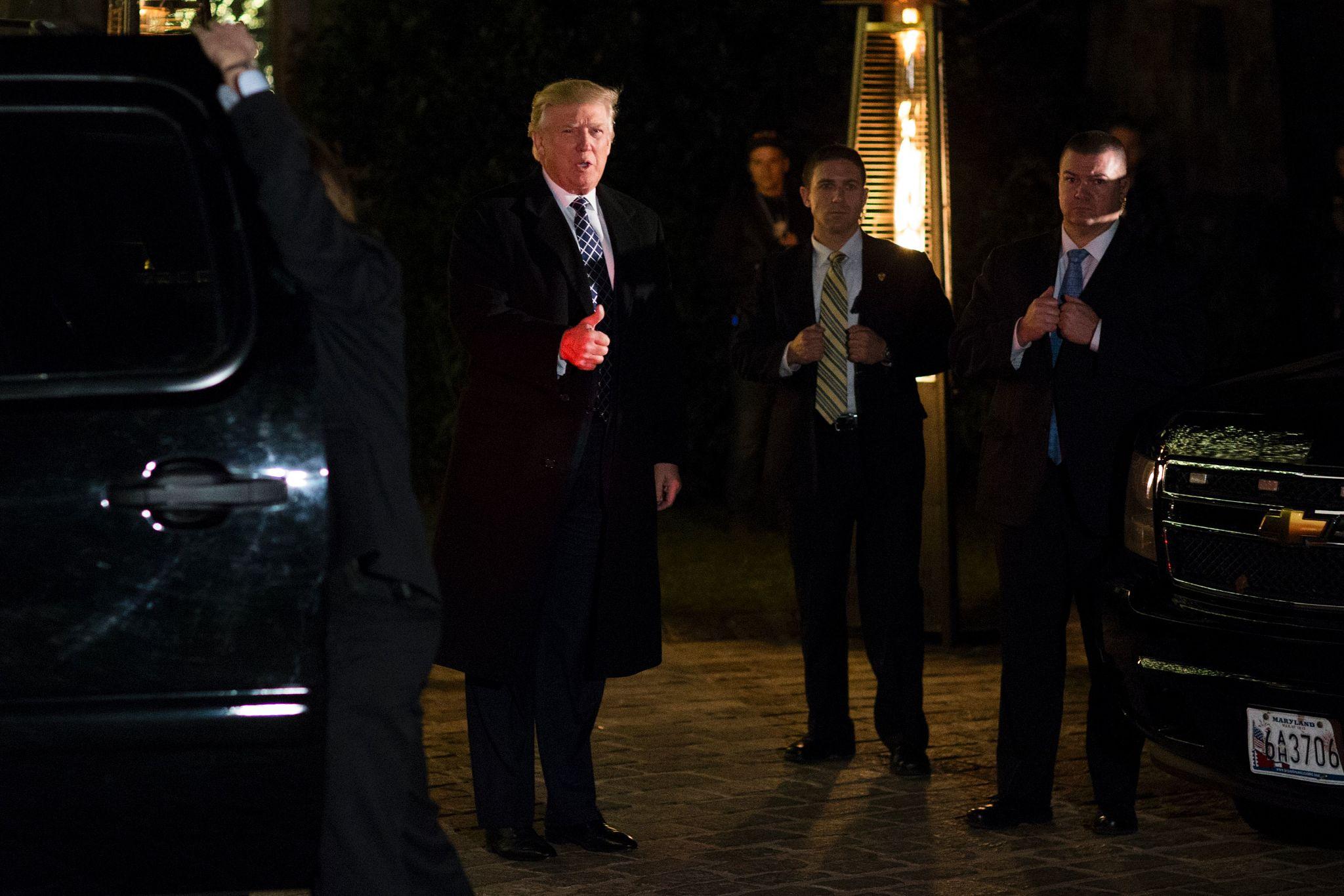
The pressure from Donald Trump has been explicit and, at times, confrontational.
Trump has warned of severe military action against Iran, including threats to target critical infrastructure if Tehran does not comply with US demands.
He has also called on allies to contribute more actively, particularly in safeguarding global energy flows.
This approach puts European leaders in a difficult position:
- Supporting Trump may align with NATO expectations
- Opposing him risks diplomatic friction with Washington
The lack of prior coordination has further complicated matters, with European governments sometimes sidelined in key decisions.
Europe’s Economic and Political Constraints
Europe’s reluctance is also not only political but has a strong economic dimension as well.
The Middle East conflict has already led to a rise in energy prices, which is a concern for the EU as a whole, as it might lead to a slowdown in the overall EU economy.
At the same time, nations like Germany, France, and Italy are also feeling the pressure of staying out of a war, as the situation might affect the overall political scenario of the country.
The leaders are also worried about past wars, especially the Iraq conflict, as the political rift between the US and the EU led to a long-term political impact.
This is the reason why the EU is considering the following options:
Diplomatic efforts
Sanctions
Logistical support
Disclaimer:
This article is based on publicly available information from reputable sources such as Reuters, AP News, and other international media outlets. Developments may evolve as the situation continues to unfold.